The Girl Who Vanished Into the Night: How a 70-Year-Old Murder Mystery Could Still Be Solved Today


Alt Text
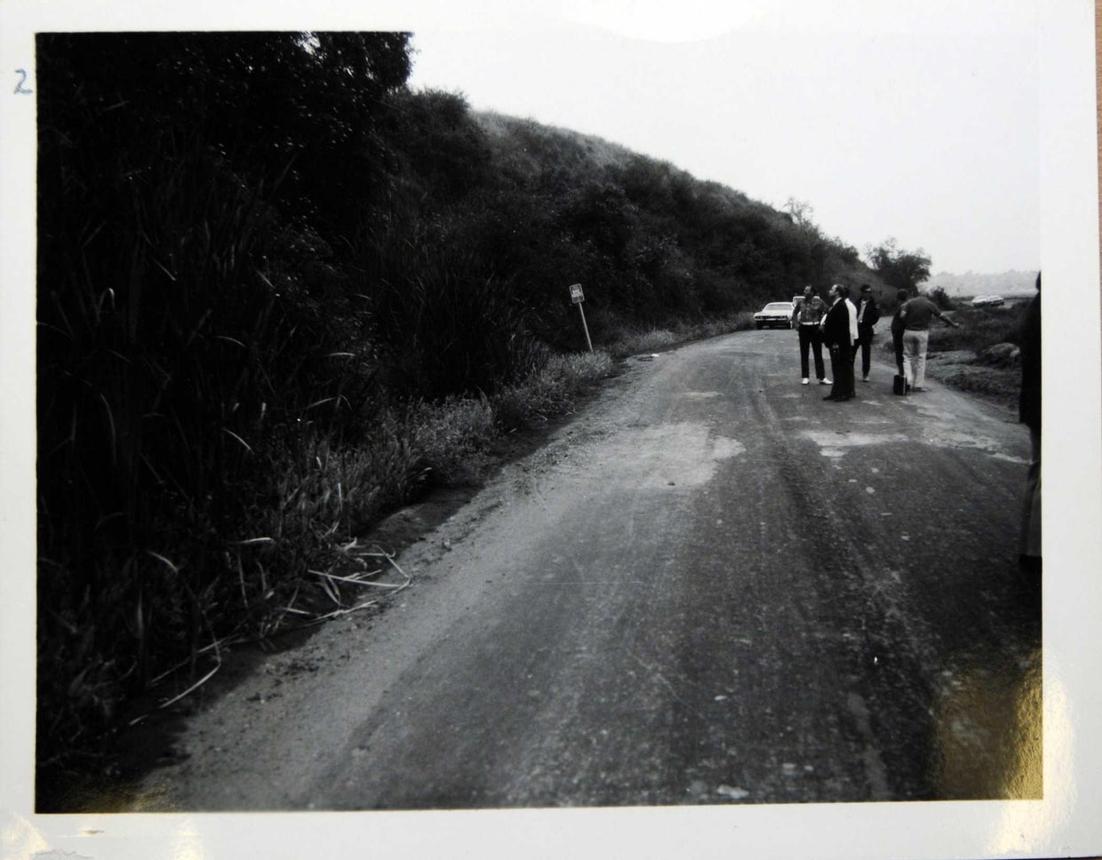
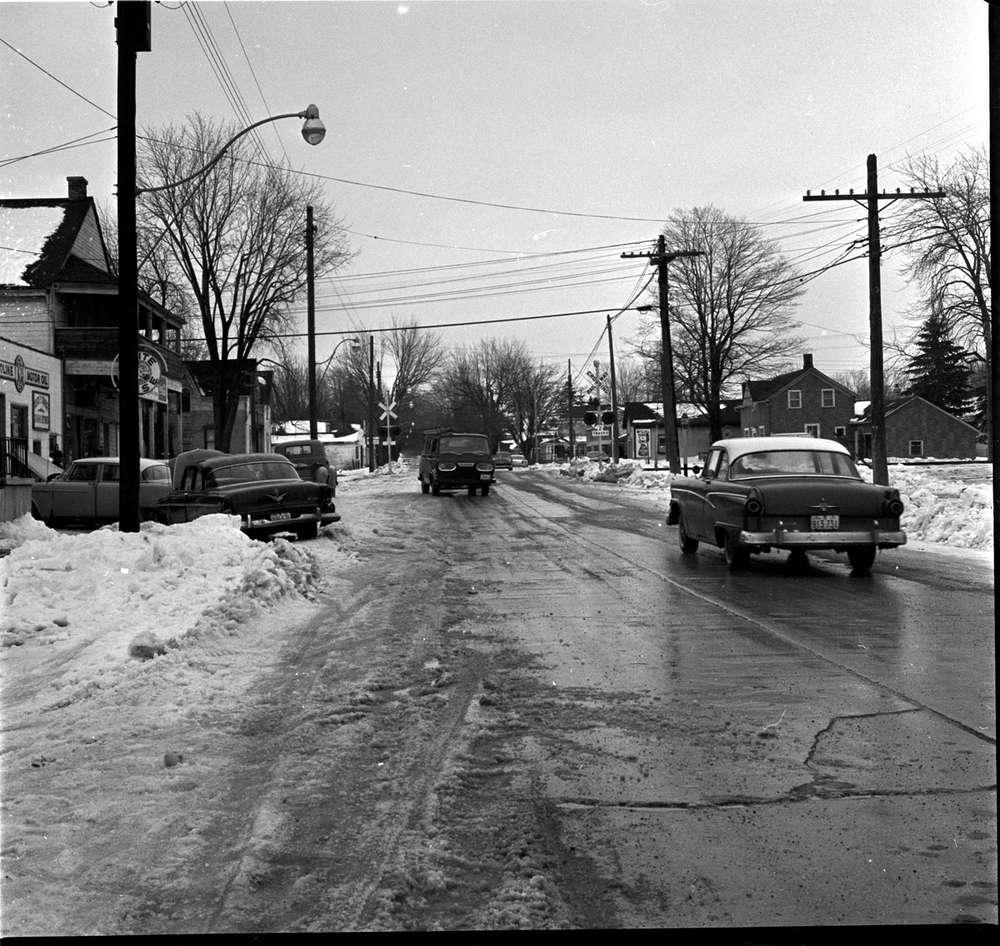
- Snow-covered small-town street resembling the setting of a 1950s disappearance.
- Vintage missing child poster from a historic criminal investigation.
- Boxes of cold case files preserved by investigators.
- Detective reviewing decades-old evidence and witness statements.
- Modern forensic laboratory analyzing DNA samples.
- Historic newspaper headlines reporting a shocking murder case.
The Girl Who Vanished Into the Night: How a 70-Year-Old Murder Mystery Could Still Be Solved Today
For decades, one of America’s most haunting murder mysteries seemed destined to remain unsolved forever. A young girl disappeared from a quiet neighborhood, leaving behind devastated parents, frightened residents, and investigators struggling to find answers.
Years turned into decades. Witnesses aged. Evidence grew old. Leads vanished.
Yet the case never completely died.
The story of Maria Ridulph is proof that even the oldest murder investigations can remain alive. It is also a reminder that advances in technology, forensic science, and persistent detective work can bring justice long after many people believe hope is gone.
Today, cold-case experts around the world point to cases like this as evidence that no murder investigation should ever be considered truly finished.
A Winter Night That Changed Everything
On December 3, 1957, seven-year-old Maria Ridulph was playing outside near her home in Sycamore, Illinois.
It was a cold winter evening, and Maria was playing with a friend in the neighborhood. According to reports, an unfamiliar man approached the children and began speaking with them.
The man introduced himself as “Johnny.”
At first, nothing seemed unusual. The stranger appeared friendly and even played games with the children.
Then tragedy struck.
When Maria’s friend briefly returned home, Maria disappeared.
The young girl was gone without a trace.
As panic spread through the neighborhood, local authorities launched a massive search operation. Volunteers, police officers, and concerned residents searched fields, roads, and nearby communities.
But there was no sign of Maria.
A Nation Watches
The disappearance quickly became one of the most heavily publicized criminal investigations of its era.
Newspapers across the country reported on the case. Radio broadcasts carried updates. Federal investigators joined the search.
At a time when child abductions rarely received national attention, Maria’s disappearance shocked America.
Weeks later, the heartbreaking outcome became clear.
Her body was discovered approximately 120 miles from her hometown in a wooded area.
Investigators confirmed she had been murdered.
The discovery devastated both her family and the nation.
Yet despite extensive efforts, authorities were unable to identify the killer.
The Mysterious Stranger
The strongest lead came from Maria’s young friend, who had spent time with the man calling himself Johnny shortly before the disappearance.
She provided investigators with a description that became central to the case.
Sketch artists worked to create images of the suspect.
Police interviewed countless individuals who might have matched the description.
Unfortunately, no suspect could be definitively linked to the crime.
As years passed, the trail grew colder.
Evidence available in the late 1950s was limited compared to modern standards. DNA analysis did not exist. Computer databases were decades away. Investigators relied heavily on witness accounts and traditional detective work.
Despite their efforts, the case remained unsolved.
Decades of Silence
For many families, an unsolved murder leaves a wound that never fully heals.
Maria’s family spent decades without answers.
The investigation continued intermittently, but progress was slow.
Every few years, new theories emerged.
Some investigators believed the killer was a traveling criminal. Others suspected someone closer to the community.
Without definitive evidence, no theory could be proven.
The case gradually became one of America’s most famous cold cases.
Many people assumed the truth would never be known.
They were wrong.
An Unexpected Breakthrough
More than fifty years after the murder, investigators received information that changed everything.
A new witness statement pointed authorities toward a man named John Tessier, later known as Jack McCullough.
The information reignited the investigation.
Detectives began reviewing old records, interviewing surviving witnesses, and comparing historical evidence with modern investigative techniques.
The renewed effort demonstrated an important reality of cold-case investigations: evidence may remain hidden for decades before finally coming to light.
Sometimes the key to solving a case is not new technology but a witness who finally comes forward.
The Role of Modern Investigative Methods
Cold-case investigations today are dramatically different from those conducted in the 1950s.
Modern detectives have access to tools that earlier generations could only imagine.
Digital databases allow investigators to compare information across jurisdictions.
Forensic laboratories can analyze tiny pieces of evidence that once would have been useless.
DNA technology has revolutionized criminal investigations worldwide.
Even when biological evidence is limited, investigators can use advanced techniques to reexamine old materials.
Artificial intelligence is increasingly helping law enforcement organize massive collections of documents, identify patterns, and discover overlooked connections.
These developments mean that old cases are often far more solvable today than they were when the crimes occurred.
Why Cold Cases Matter
Some people question why authorities continue to investigate crimes that happened decades ago.
The answer is simple.
Justice does not expire.
Every victim deserves answers.
Every family deserves the truth.
Cold-case investigations also send a powerful message to criminals. No matter how much time passes, investigators may still uncover evidence that leads to accountability.
History contains numerous examples of killers who believed they had escaped justice, only to be identified decades later through modern forensic science.
The passage of time is no longer the protection it once was.
Lessons From Historic Cases
The Maria Ridulph case highlights several important lessons for modern investigations.
First, witness testimony can remain valuable even after many years. A detail that seems insignificant today may become critical in the future.
Second, evidence should always be preserved whenever possible. Technological advances often transform old evidence into powerful new leads.
Third, investigators should never completely abandon a case simply because it has gone cold.
Many of the most famous cold-case breakthroughs occurred after decades of apparent inactivity.
Patience, persistence, and evolving technology have repeatedly proven capable of solving mysteries once considered impossible.
Could Other Historic Murder Cases Be Solved?
The answer is increasingly yes.
Across the world, investigators are reopening old files and applying modern techniques to historic crimes.
Advances in forensic genealogy have helped identify suspects decades after murders occurred.
DNA databases continue to grow.
Artificial intelligence is becoming a valuable investigative tool.
Digital reconstruction techniques can enhance old photographs, documents, and physical evidence.
As technology improves, many experts believe a significant number of long-unsolved murders may eventually be solved.
The list includes some of the most famous mysteries in criminal history.
A Reminder That Hope Remains
The story of Maria Ridulph is more than a crime story.
It is a story about persistence.
It is a reminder that time does not always destroy the possibility of justice.
Every year, cold-case units around the world solve murders that once seemed impossible to crack. Families receive long-awaited answers. Investigators uncover hidden truths. Communities finally learn what happened.
The passage of decades may make an investigation more difficult, but it does not make it impossible.
Somewhere in an evidence box, a forgotten document, an overlooked witness statement, or a preserved piece of forensic evidence may be the clue that changes everything.
That possibility is why investigators continue searching.
And it is why even a murder mystery that began more than seventy years ago can still offer hope that the truth will one day be fully revealed.