

He Vanished Into Normal Life for Decades — Until Science Finally Revealed the Killer
He Vanished Into Normal Life for Decades — Until Science Finally Revealed the Killer
For years, the fear spread quietly.
Neighborhoods locked their doors earlier. Families installed stronger windows. Parents checked bedrooms twice before going to sleep. Investigators chased hundreds of leads, interviewed countless witnesses, and filled entire rooms with evidence.
Yet the person responsible seemed to disappear.
What made this case extraordinary was not only the crimes themselves—it was that investigators eventually solved the mystery after more than forty years had passed.
This is the real story of the Golden State Killer.
A Crime Wave That Seemed Impossible to Stop
Beginning in California during the 1970s, a series of violent crimes shocked communities across multiple counties.
At first, investigators believed they were dealing with separate offenders.
One criminal appeared responsible for dozens of burglaries.
Another committed a growing number of sexual assaults.
Years later, a series of murders emerged.
Different locations. Different periods.
Different names.
For decades, nobody realized many of these crimes were connected.
Witnesses described a suspect who carefully studied neighborhoods before striking. He often entered homes late at night and appeared to understand police response patterns.
Residents became increasingly fearful because the offender showed patience and planning rather than impulsive behavior.
He disappeared before officers arrived.
Again.
And again.
And again.
Multiple Names — One Hidden Criminal
Investigators eventually linked separate crime series across California.
The offender became known by several names over the years:
- East Area Rapist
- Original Night Stalker
- Golden State Killer
Authorities connected him to numerous burglaries, assaults, and multiple murders committed across a period stretching years.
What made the investigation difficult was the time.
Technology available in the 1970s and early 1980s simply could not process biological evidence the way modern forensic laboratories can today.
Physical evidence was collected and preserved, but investigators had no immediate path to identify the suspect.
Cold case units archived reports.
Boxes of records accumulated.
Years passed.
Then decades.
The Long Silence
One of the strangest parts of the case was what happened afterward.
The attacks stopped.
There were no dramatic public appearances.
No taunting letters.
No obvious trail.
The suspect appeared to vanish completely.
Communities moved on.
Victims rebuilt their lives.
New investigators inherited old files.
For many observers, the case became one of America’s most haunting unsolved mysteries.
Yet evidence remained stored.
Investigators believed the answer still existed.
They only needed better tools.
The Technology That Changed Everything
Decades later, advances in DNA analysis transformed criminal investigations.
Forensic teams reexamined preserved biological evidence collected years earlier.
Instead of searching traditional criminal databases alone, investigators explored emerging genealogical methods.
The concept was simple—but revolutionary.
Rather than identifying a suspect directly, investigators looked for distant family connections through publicly accessible genetic genealogy techniques.
Small matches could help investigators construct family trees.
Those trees narrowed possibilities.
That process demanded extensive research, patience, and verification.
Eventually, one name began attracting attention.
A former police officer.
Someone who had lived an ordinary life for decades.
A Quiet Neighborhood — And a Surprise Arrest
In 2018, investigators arrested Joseph James DeAngelo.
The arrest stunned many observers.
For years, neighbors reportedly saw him as an ordinary retiree.
But investigators believed decades of preserved evidence and genealogical work pointed directly toward him.
Authorities collected confirmatory DNA.
The evidence matched.
After decades of uncertainty, investigators finally identified the man they believed committed the crimes.
For victims and families, the arrest brought emotions that were difficult to describe.
Relief.
Shock.
Anger.
Validation.
Questions remained—but the mystery of identity had finally ended.
Justice After Forty Years
Legal proceedings moved forward despite the age of the case.
Witnesses spoke.
Survivors gave statements.
Families described how crimes committed decades earlier continued shaping their lives.
Eventually, DeAngelo admitted responsibility for numerous crimes linked to the investigation.
The case became one of the most widely discussed examples of modern forensic genealogy helping solve historic crimes.
But it also raised difficult conversations:
How should genealogy databases be used?
What privacy protections are appropriate?
How long should evidence be preserved?
Those discussions continue today.
Why Cold Cases Are No Longer Hopeless
For generations, people assumed unsolved crimes eventually became impossible to solve.
Cases went cold.
Witness memories faded.
Evidence aged.
But modern investigations continue proving otherwise.
DNA science, digital archiving, improved forensic methods, and renewed investigative work have changed expectations.
Cold cases once considered impossible now receive new attention.
The Golden State Killer investigation demonstrated something powerful:
Time can slow an investigation.
It does not always end it.
Sometimes the answer is already sitting in an evidence box—waiting for technology to catch up.
Final Thoughts
This story remains one of the clearest examples that major criminal investigations can survive across generations.
Investigators changed.
Technology changed.
Entire communities changed.
Yet decades-old evidence still spoke.
And eventually, it helped reveal someone who had hidden in plain sight.
Many cold cases remain unsolved around the world.
But this case showed that even after forty years, answers are still possible.
Suggested Image Alt Text (6–7 Images)
- Composite sketch created during the long-running Golden State Killer investigation
- Cold case investigators reviewing archived evidence decades later
- Forensic DNA laboratory performing genetic analysis
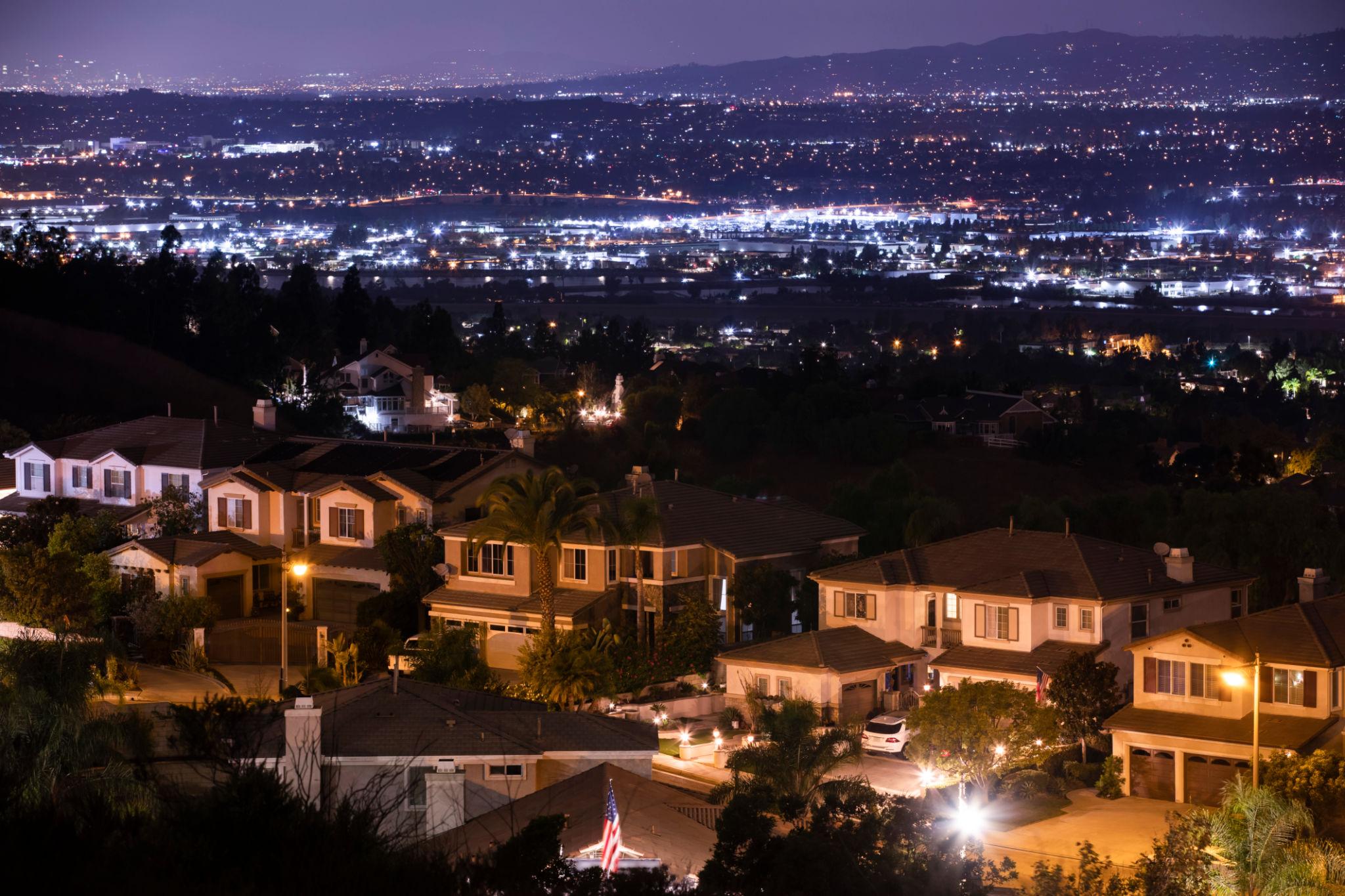
- Quiet suburban neighborhood connected to historical investigations
- Rows of preserved evidence boxes used in cold case work
- Investigators announcing breakthrough in historic criminal investigation
- Symbolic image representing justice after decades of investigation
Leave a Reply