Tag: Criminal Justice

  • The Case Everyone Forgot: How a 33-Year-Old Murder Was Finally Solved by a Single Piece of DNA

    The Case Everyone Forgot: How a 33-Year-Old Murder Was Finally Solved by a Single Piece of DNA

    The Case Everyone Forgot: How a 33-Year-Old Murder Was Finally Solved by a Single Piece of DNA

    Image
    Image
    Image
    Image
    Image
    Image
    Image

    The Case Everyone Forgot: How a 33-Year-Old Murder Was Finally Solved by a Single Piece of DNA


    The Case Everyone Forgot: How a 33-Year-Old Murder Was Finally Solved by a Single Piece of DNA

    For years, it was one of those cases that seemed destined to remain unsolved forever.

    A young woman had been murdered. Detectives had worked tirelessly. Witnesses had been interviewed. Evidence had been collected.

    Yet the killer vanished.

    As time passed, the case slowly faded from public memory.

    The victim’s family never forgot.

    Neither did the evidence.

    More than three decades later, advances in forensic science transformed what once appeared impossible into a remarkable breakthrough.

    A single DNA sample would ultimately expose the truth and bring justice to a family that had spent 33 years waiting for answers.

    The Disappearance

    In the spring of 1989, a 25-year-old woman left work and began her usual drive home.

    When she failed to arrive, her family became concerned.

    Friends attempted to contact her.

    Coworkers were questioned.

    Hours later, police received a missing-person report.

    Officers initially believed she might have experienced vehicle trouble or voluntarily gone elsewhere.

    As the investigation expanded, concern grew.

    Search teams combed nearby roads, fields, and wooded areas.

    Several days later, searchers discovered her body in an isolated location outside the city.

    Investigators immediately recognized they were dealing with a homicide.

    The discovery shocked the community.

    Residents struggled to understand how such a violent crime could occur in their town.

    The Original Investigation

    Police launched an intensive investigation.

    Detectives worked around the clock.

    Hundreds of interviews were conducted.

    Potential suspects were identified and questioned.

    Crime-scene investigators carefully documented every detail.

    Among the evidence collected were fingerprints, fibers, hairs, and biological samples.

    Despite these efforts, the investigation faced significant limitations.

    DNA technology was still developing and far less advanced than it is today.

    Although forensic evidence existed, investigators lacked the tools necessary to fully analyze it.

    Weeks became months.

    Months became years.

    No arrest was made.

    A Family’s Search for Justice

    For the victim’s family, life never returned to normal.

    Birthdays became reminders of loss.

    Holidays carried sadness.

    Every passing year brought another unanswered question.

    Who was responsible?

    The family remained in contact with investigators and continued advocating for the case.

    Meanwhile, the homicide file grew larger.

    New detectives periodically reviewed the evidence.

    Fresh leads occasionally emerged.

    None produced a breakthrough.

    The case officially became a cold case.

    The Importance of Preserved Evidence

    One decision made during the original investigation would later prove crucial.

    Detectives preserved every piece of physical evidence.

    Boxes containing reports, photographs, and forensic samples were carefully stored.

    At the time, investigators hoped future technology might reveal information they could not obtain.

    That hope eventually became reality.

    More than 30 years after the murder, a specialized cold-case unit reopened the investigation.

    The team believed modern forensic science might uncover new clues.

    Reexamining the Evidence

    Investigators began reviewing every document connected to the case.

    Witness statements were digitized.

    Crime-scene photographs were enhanced.

    Forensic samples were cataloged and submitted for additional testing.

    One biological sample attracted particular attention.

    When the murder occurred, scientists could not extract enough information from it.

    Modern technology offered new possibilities.

    The sample was sent to an advanced forensic laboratory.

    Scientists worked carefully to recover genetic material.

    The results exceeded expectations.

    The DNA Breakthrough

    Laboratory experts successfully developed a complete DNA profile.

    For the first time, investigators possessed a powerful clue connected directly to the crime.

    The DNA profile was entered into national law-enforcement databases.

    Detectives hoped the suspect might already be listed.

    No match appeared.

    The discovery was both exciting and frustrating.

    The evidence was valuable, but the killer remained unidentified.

    Fortunately, another investigative method had emerged in recent years.

    The Rise of Forensic Genealogy

    Forensic genealogy combines DNA science with family-history research.

    Instead of searching directly for a suspect, investigators search for relatives who share portions of the same genetic profile.

    Genealogists joined the case.

    The process required extensive research.

    Birth records.

    Marriage certificates.

    Census information.

    Obituaries.

    Historical archives.

    Thousands of names were examined.

    Over many months, investigators gradually narrowed the field.

    Eventually, they identified several individuals who could potentially match the evidence.

    One person stood out.

    A Suspect Hidden for Decades

    The suspect had lived near the victim during the late 1980s.

    Surprisingly, he had never been considered a major suspect.

    His name appeared only briefly in the original investigation.

    At the time, detectives had no evidence connecting him to the crime.

    The DNA findings changed everything.

    Investigators reviewed old records and discovered several connections previously overlooked.

    Witness statements suddenly appeared more significant.

    Employment records placed the suspect near locations relevant to the investigation.

    The evidence continued to grow stronger.

    The Final Piece of the Puzzle

    Detectives needed confirmation.

    They quietly conducted surveillance and eventually obtained an item discarded by the suspect.

    The object was sent to a forensic laboratory.

    Scientists extracted DNA and compared it with the profile recovered from the original crime-scene evidence.

    The results were conclusive.

    The DNA matched.

    After 33 years, investigators finally identified the killer.

    The case that had remained unsolved for decades suddenly had an answer.

    The Arrest

    Police officers arrested the suspect at his home.

    The news spread rapidly.

    Residents were astonished.

    Many people barely remembered the original murder.

    Others had followed the case for years and never expected it to be solved.

    For the victim’s family, the arrest represented a moment they had waited more than three decades to experience.

    Relief mixed with grief.

    The truth had finally emerged.

    Yet the years lost could never be recovered.

    The Trial

    Prosecutors relied heavily on forensic evidence.

    Experts explained how DNA technology had advanced dramatically since the late 1980s.

    Genealogists described the family-tree research that helped identify the suspect.

    Investigators detailed the process of reopening the case and reexamining old evidence.

    Jurors listened as decades of mystery were finally explained.

    The defense attempted to challenge the evidence.

    However, the scientific findings proved compelling.

    After deliberation, the jury returned a guilty verdict.

    Justice had finally arrived.

    Why More Cold Cases Are Being Solved

    Cases like this are becoming increasingly common.

    Across the United States, cold-case units are solving crimes that once seemed impossible to crack.

    Modern DNA analysis can recover information from evidence collected decades ago.

    Forensic genealogy has become one of the most powerful investigative tools available.

    Thousands of unsolved murders remain under active review.

    Many contain evidence that could lead to future breakthroughs.

    Experts believe numerous additional cold cases will be solved in the coming years.

    A Message of Hope

    The most remarkable aspect of this case is not the technology.

    It is persistence.

    The victim’s family never stopped seeking answers.

    Investigators never stopped preserving evidence.

    Cold-case detectives refused to give up.

    Because of that determination, justice remained possible.

    For 33 years, the killer believed he had escaped accountability.

    He assumed the investigation was over.

    He assumed the evidence had lost its value.

    He was wrong.

    The evidence waited patiently.

    Science continued advancing.

    Eventually, the truth emerged.

    For families still waiting for answers in unsolved homicide cases, this story offers hope.

    Time may pass.

    Decades may go by.

    But as this case demonstrates, justice can still arrive when least expected.

    Sometimes all it takes is one preserved clue, one determined investigator, and one scientific breakthrough capable of revealing the truth hidden for years.

    Image
    Image
    Image

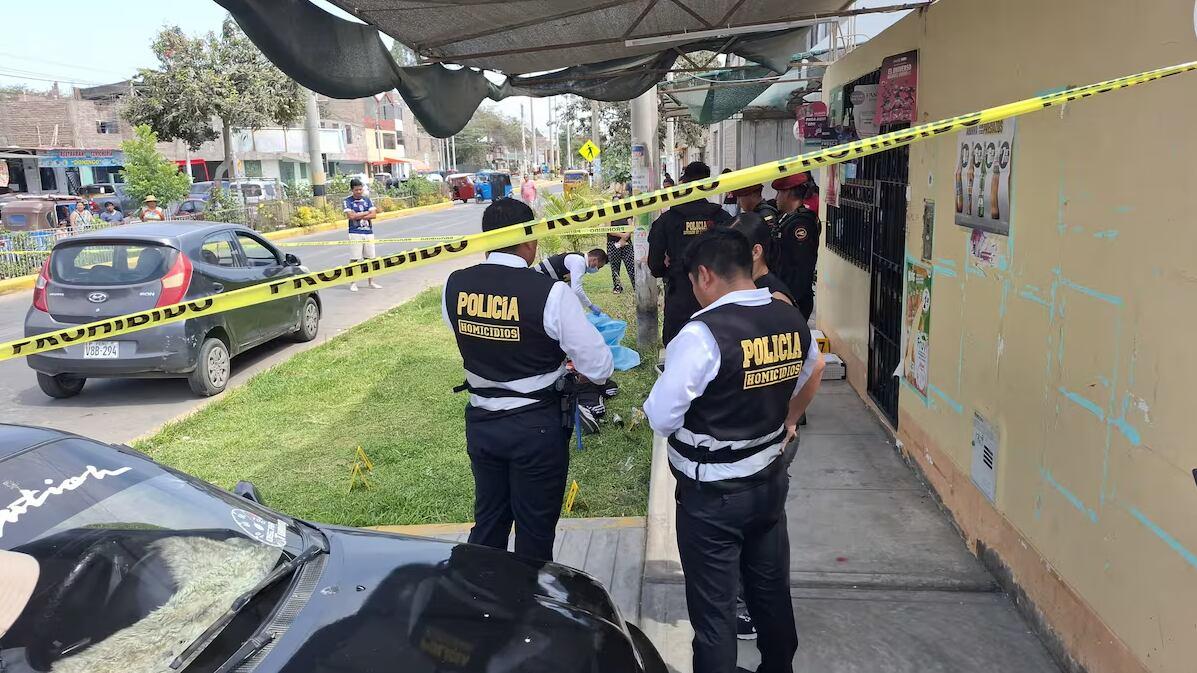
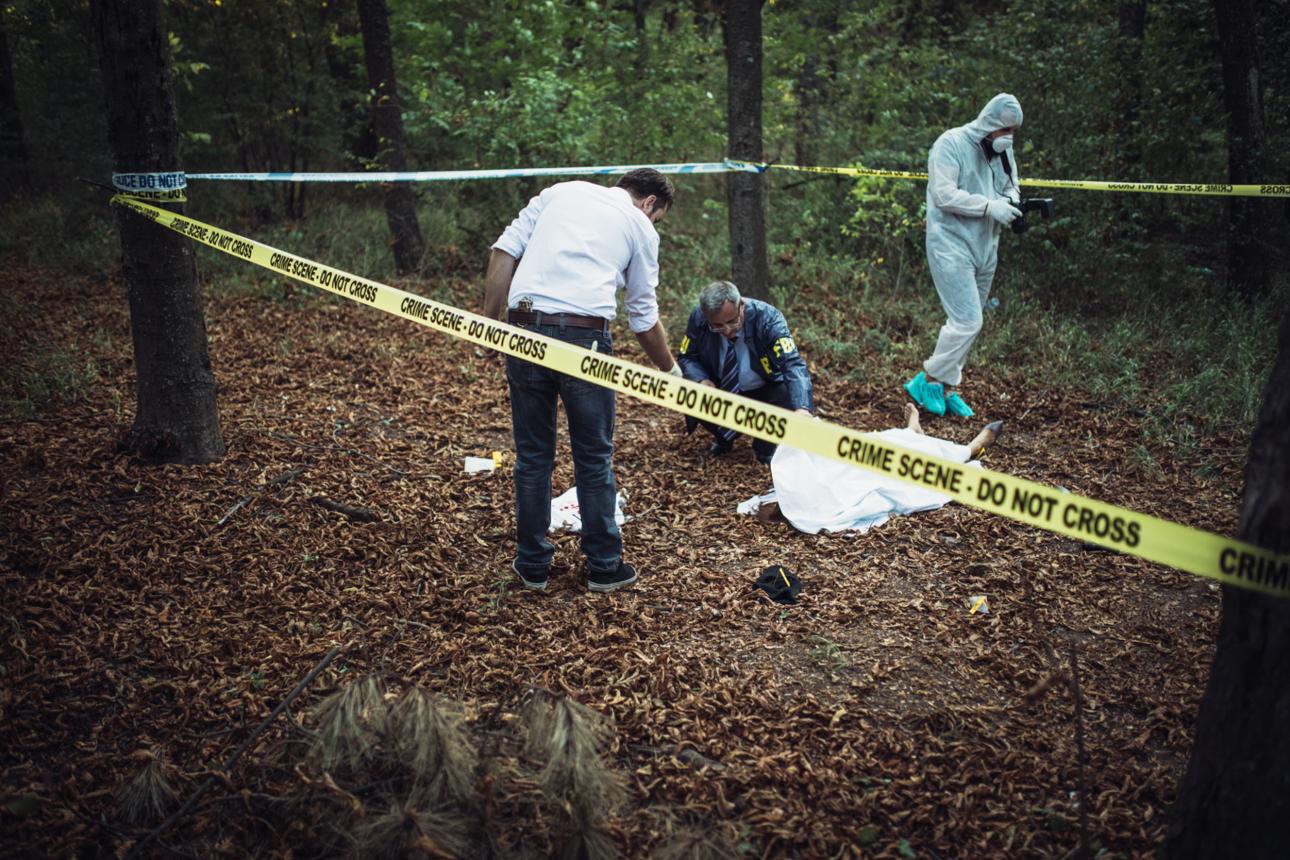
    Alt Text: Search teams looking for a missing woman shortly after her disappearance.

    Image 2 – Crime Scene Investigation

    Image
    Image
    Image
    Image
    Image

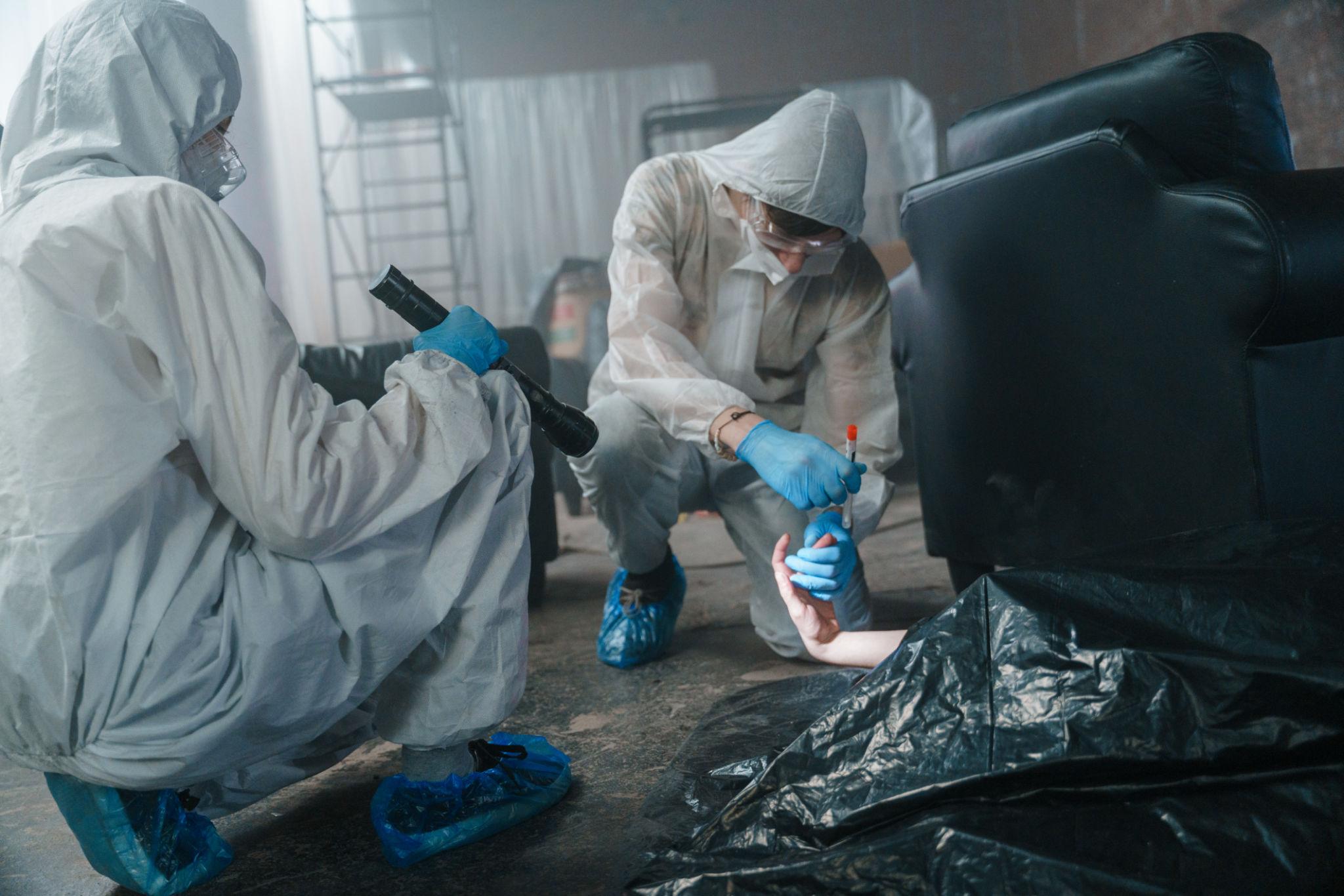
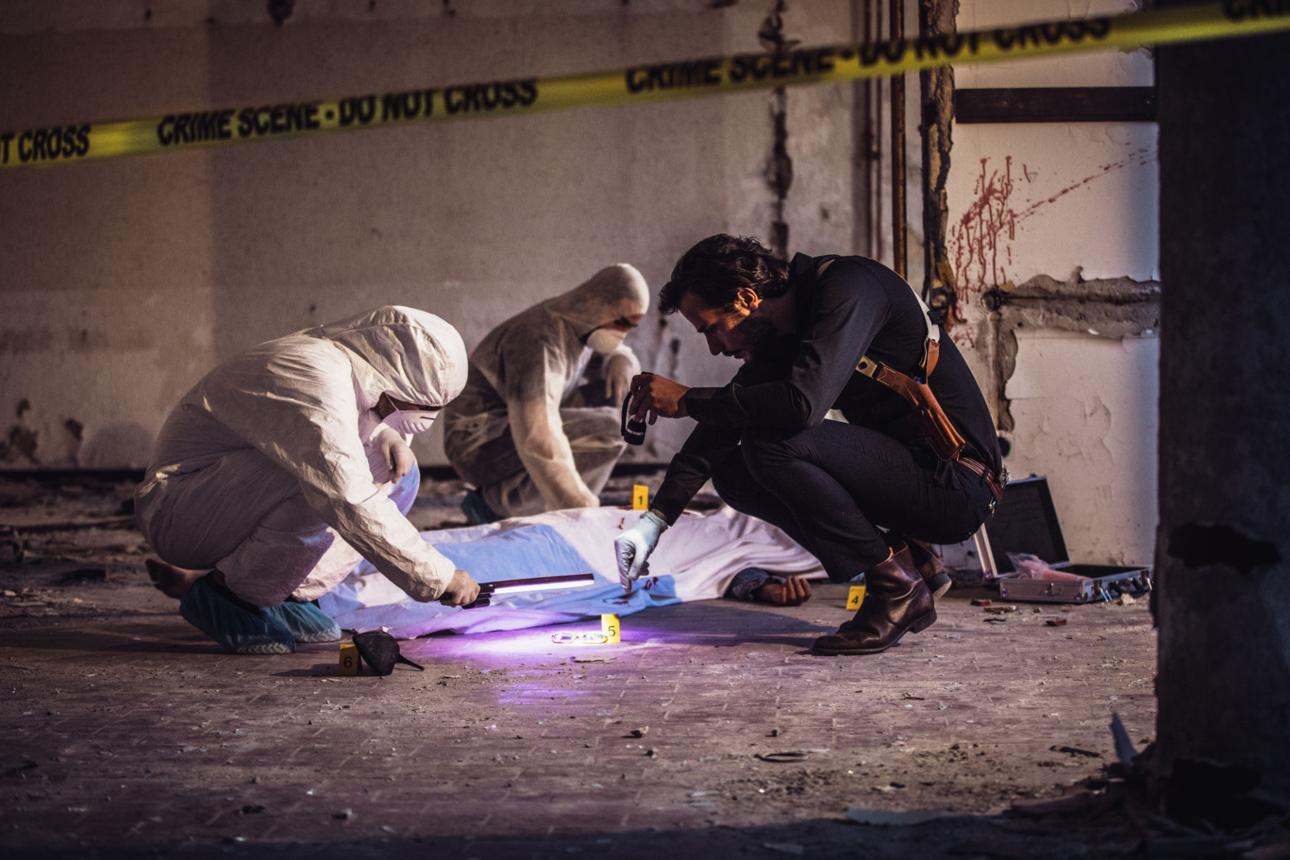
    Alt Text: Detectives collecting evidence at the original crime scene.

    Image 3 – Archived Evidence

    Image
    Image
    Image
    Image
    Image
    Image

    Alt Text: Evidence preserved for decades inside a police archive.

    Image 4 – DNA Laboratory

    Image
    Image
    Image

    Alt Text: Scientists using modern DNA technology to analyze old evidence.

    Image 5 – Genealogy Research

    Image
    Image
    Image
    Image
    Image
    Image
    Image

    Alt Text: Investigators building family trees to identify a suspect.

    Image 6 – Arrest

    Image
    Image
    Image
    Image
    Image
    Image

    Alt Text: Suspect arrested decades after the original murder.

    Image 7 – Courthouse

    Image
    Image
    Image
    Image
    Image
    Image
    Image

    Alt Text: Courthouse where the decades-old murder case finally reached justice.

  • The Killer Thought the Case Was Dead: 36 Years Later, Detectives Uncovered the One Clue That Changed Everything

    The Killer Thought the Case Was Dead: 36 Years Later, Detectives Uncovered the One Clue That Changed Everything

    The Killer Thought the Case Was Dead: 36 Years Later, Detectives Uncovered the One Clue That Changed Everything

    Image
    Image
    Image
    Image

    The Killer Thought the Case Was Dead: 36 Years Later, Detectives Uncovered the One Clue That Changed Everything

    For decades, the murder file sat untouched inside a police evidence room.

    The case had once dominated local headlines. Detectives spent years chasing leads, interviewing witnesses, and searching for a suspect. Yet despite their efforts, the killer remained unidentified.

    As time passed, many people assumed the truth would never be discovered.

    The victim’s family endured years of uncertainty.

    Investigators retired.

    Witnesses moved away.

    Memories faded.

    But hidden among thousands of pages of reports was a clue that had never fully revealed its importance.

    Thirty-six years after the crime, that clue finally helped solve the mystery.

    A Disappearance No One Could Explain

    In October 1987, a 29-year-old woman disappeared while driving home after meeting friends.

    She was expected home later that evening but never arrived.

    Concern spread quickly among family members.

    Phone calls went unanswered.

    Friends had no information.

    The following day, police officially began searching for her.

    Volunteers joined search teams.

    Local media covered the disappearance extensively.

    Residents hoped she would be found alive.

    Several days later, those hopes ended.

    Her body was discovered in a wooded area miles from where she had last been seen.

    Investigators confirmed she had been murdered.

    The quiet community was stunned.

    The Hunt for a Killer

    Police immediately launched a homicide investigation.

    Detectives interviewed hundreds of people connected to the victim.

    Coworkers, neighbors, former classmates, relatives, and acquaintances were questioned.

    Potential suspects were identified and investigated.

    Crime-scene technicians collected every piece of evidence they could locate.

    Among the evidence were fibers, fingerprints, tire impressions, and biological material.

    At the time, forensic science offered only limited tools.

    DNA testing was still developing and unavailable for many criminal investigations.

    As a result, investigators could not fully analyze all the evidence they recovered.

    Months of investigative work failed to identify the killer.

    The case gradually stalled.

    Years of Silence

    The victim’s family never stopped searching for answers.

    Every anniversary served as a painful reminder of what had happened.

    Local newspapers occasionally published stories about the unsolved murder.

    Detectives periodically reviewed the case.

    New tips arrived from time to time.

    Unfortunately, none produced significant breakthroughs.

    The investigation officially became a cold case.

    Still, police preserved all evidence collected during the original inquiry.

    That decision would eventually make all the difference.

    A Fresh Look at Old Evidence

    More than three decades later, a cold-case unit reopened the investigation.

    Advances in forensic science had transformed homicide investigations across the country.

    Evidence once considered impossible to analyze could now be examined using sophisticated technology.

    Detectives reviewed every detail from the original case.

    During the review, investigators focused on a biological sample collected near the victim’s body.

    In 1987, scientists could not obtain meaningful results from the material.

    Modern laboratories, however, possessed much more advanced capabilities.

    The sample was sent for testing.

    What happened next shocked investigators.

    The Discovery

    Forensic scientists successfully extracted a complete DNA profile.

    The evidence had survived for 36 years.

    Suddenly, detectives possessed something they had never had before: a genetic signature connected to the killer.

    The profile was entered into criminal databases.

    Investigators hoped for an immediate match.

    None appeared.

    The suspect had likely never been required to submit DNA to law enforcement.

    At first, the development seemed frustrating.

    Yet detectives knew another option existed.

    A Revolutionary Tool

    Forensic genealogy has become one of the most important breakthroughs in modern criminal investigations.

    Instead of searching directly for a suspect, investigators identify relatives who share portions of the same DNA.

    Genealogists joined the investigation.

    Thousands of records were examined.

    Birth certificates.

    Marriage records.

    Obituaries.

    Historical census information.

    Public databases.

    The process required patience and precision.

    Gradually, a large family tree emerged.

    Investigators narrowed the possibilities until only a handful of individuals remained.

    One man quickly attracted attention.

    An Unexpected Suspect

    The suspect had lived in the area during the late 1980s.

    Yet he had never been considered a major suspect.

    His name appeared only briefly in the original case file.

    At the time, detectives lacked evidence connecting him to the crime.

    The DNA findings changed everything.

    Investigators reviewed old witness statements.

    Employment records.

    Property documents.

    Travel histories.

    Several previously overlooked details suddenly became significant.

    The suspect appeared increasingly connected to locations relevant to the murder.

    Detectives believed they were getting close.

    The Breakthrough

    Investigators needed confirmation.

    DNA evidence from the suspect would provide the final answer.

    After obtaining a discarded item linked to him, forensic scientists performed additional testing.

    The results were definitive.

    The DNA matched the profile recovered from the crime scene.

    After 36 years, investigators finally identified the killer.

    The discovery marked one of the most important breakthroughs in the department’s history.

    The Arrest

    Police officers arrested the suspect at his home.

    News of the arrest spread rapidly.

    Many residents were stunned.

    Some had forgotten the case entirely.

    Others had spent decades wondering whether it would ever be solved.

    For the victim’s family, the arrest triggered powerful emotions.

    Relief.

    Sadness.

    Gratitude.

    Anger.

    After so many years, the truth had finally emerged.

    The person responsible would finally face justice.

    Inside the Trial

    The prosecution relied heavily on forensic evidence.

    Experts explained how DNA technology had advanced since the 1980s.

    Genealogists described the family-tree research that led detectives to the suspect.

    Investigators detailed the process of reopening the case and reviewing old evidence.

    The defense attempted to challenge parts of the investigation.

    However, the scientific evidence proved difficult to dispute.

    Jurors listened as decades of unanswered questions were finally addressed.

    After deliberation, they reached their decision.

    The suspect was found guilty.

    The victim’s family finally received the justice they had sought for more than three decades.

    Why Cold Cases Are Being Solved Today

    This case is part of a growing trend.

    Across the United States, cold-case investigators are solving crimes once considered impossible to crack.

    Modern DNA testing can analyze evidence far more effectively than earlier generations of technology.

    Forensic genealogy has opened entirely new investigative pathways.

    Preserved evidence from decades-old crimes is producing breakthroughs every year.

    Thousands of unsolved homicides remain under active review.

    Experts believe many more will be solved in the future.

    A Lesson Hidden in an Evidence Box

    The most remarkable part of this story is how close the solution remained all along.

    The evidence existed from the very beginning.

    Investigators collected it in 1987.

    They preserved it carefully.

    What they lacked was the technology needed to unlock its secrets.

    Thirty-six years later, science provided the answer.

    The killer believed the case had been forgotten.

    He assumed the passage of time would protect him.

    Instead, time became his enemy.

    As technology improved, the evidence grew stronger.

    The truth emerged.

    And justice finally arrived.

    For families waiting for answers in unsolved homicide cases, stories like this offer hope.

    No matter how many years pass, a cold case can still be solved.

    Sometimes all it takes is one clue, one detective willing to take another look, and one scientific breakthrough capable of revealing what has remained hidden for decades.

    Additional Article Images

    Image 1 – Missing Person Search

    Image
    Image
    Image

    Alt Text: Search teams looking for clues after a woman disappeared.

    Image 2 – Crime Scene Investigation

    Image
    Image
    Image

    Alt Text: Investigators processing a homicide scene during the original investigation.

    Image 3 – Cold Case Archive

    Image
    Image
    Image

    Alt Text: Detectives reviewing evidence from a decades-old murder case.

    Image 4 – DNA Testing Laboratory

    Image
    Image
    Image
    Image
    Image
    Image

    Alt Text: Scientists examining DNA evidence using modern forensic technology.

    Image 5 – Genealogy Investigation

    Image
    Image
    Image

    Alt Text: Genealogists tracing family connections to identify a suspect.

    Image 6 – Arrest of the Suspect

    Image
    Image
    Image

    Alt Text: Suspect arrested decades after the murder occurred.

    Image 7 – Courthouse and Justice

    Image
    Image
    Image
    Image
    Image
    Image
    Image

    Alt Text: Courthouse where the cold-case murder finally reached a verdict.

  • He Escaped Justice for 41 Years—Until Detectives Reopened One Forgotten Murder File

    He Escaped Justice for 41 Years—Until Detectives Reopened One Forgotten Murder File

    He Escaped Justice for 41 Years—Until Detectives Reopened One Forgotten Murder File

    Image
    Image
    Image
    Image
    Image
    Image
    Image

    He Escaped Justice for 41 Years—Until Detectives Reopened One Forgotten Murder File

    For more than four decades, a killer believed he had escaped justice.

    The investigation had stalled. Witnesses had disappeared. Detectives had retired. The crime had faded from newspaper headlines and public memory.

    To most people, the case seemed destined to remain unsolved forever.

    But hidden inside a police evidence room was a collection of clues waiting for the future.

    When a team of cold-case investigators reopened the file 41 years later, they uncovered a trail that would eventually lead them to a shocking truth.

    The case became another powerful reminder that even after decades have passed, murder investigations are never truly over.

    A Summer Night Ends in Tragedy

    The story began in July 1982.

    A 27-year-old woman left work shortly after sunset and started the drive home.

    She never arrived.

    When family members were unable to reach her, concern quickly grew.

    Friends contacted local police.

    At first, investigators treated the situation as a missing-person case.

    Officers searched nearby roads and questioned friends, coworkers, and relatives.

    Days later, the search ended in heartbreak.

    The woman’s body was discovered in a remote rural area outside the city.

    Investigators quickly determined that she had been murdered.

    The crime shocked the community.

    Violent crimes were uncommon in the region, and residents struggled to understand how such a tragedy could occur.

    Fear spread throughout the area as police searched for answers.

    The Massive Investigation

    The homicide investigation became one of the largest in local history.

    Detectives interviewed hundreds of witnesses.

    They followed thousands of tips.

    Potential suspects were identified and questioned.

    Crime-scene technicians carefully collected evidence, including fingerprints, fibers, hairs, and biological material.

    Every lead appeared promising at first.

    Yet one by one, they collapsed.

    Investigators worked tirelessly for months.

    Despite their efforts, they could not identify the killer.

    The case slowly grew colder.

    Years passed.

    No arrests were made.

    The victim’s family continued waiting for answers.

    The Case Becomes a Cold Case

    By the early 1990s, active investigative leads had nearly disappeared.

    The murder officially became a cold case.

    Although the investigation remained open, there were no obvious suspects and no significant new evidence.

    For many families, this is the most difficult stage of a homicide investigation.

    Hope begins to fade.

    The public moves on.

    Media attention disappears.

    Yet investigators refused to close the file completely.

    Evidence remained carefully stored.

    Photographs were preserved.

    Witness statements were archived.

    Detectives understood that future advances in forensic science might one day provide answers.

    That decision would prove critical.

    A New Generation Takes Over

    Forty-one years after the murder, a newly formed cold-case unit reviewed hundreds of unsolved homicides.

    Among the files was the forgotten 1982 murder.

    A detective assigned to the case noticed something important.

    Several pieces of biological evidence collected at the crime scene had never undergone modern DNA analysis.

    The evidence had been tested decades earlier, but technology at the time was extremely limited.

    Today’s laboratories could perform far more advanced examinations.

    The detective requested new testing.

    The results exceeded everyone’s expectations.

    A DNA Profile Emerges

    Forensic scientists successfully extracted a complete DNA profile from evidence collected during the original investigation.

    The achievement represented a major breakthrough.

    For decades, detectives had possessed evidence but lacked the technology necessary to unlock its secrets.

    Now they finally had a genetic profile connected to the killer.

    Investigators entered the DNA profile into national databases.

    No direct match appeared.

    The suspect had apparently never provided DNA to law enforcement.

    At first, the development seemed disappointing.

    However, another powerful investigative tool had recently emerged.

    The Genealogy Connection

    Forensic genealogy has revolutionized criminal investigations across the United States.

    Instead of searching for the suspect directly, investigators search for relatives who share portions of the same DNA.

    Genealogists began constructing family trees linked to the unknown profile.

    The process required extensive research.

    Birth records.

    Marriage certificates.

    Obituaries.

    Historical census documents.

    Public databases.

    Thousands of names were reviewed.

    Months of work gradually narrowed the field.

    Eventually, investigators identified a family line connected to the DNA evidence.

    One individual quickly became the primary suspect.

    The Man Nobody Suspected

    The suspect had lived within driving distance of the victim in 1982.

    Yet his name had never appeared prominently in the original investigation.

    At the time, there had been no reason to focus on him.

    The DNA evidence changed everything.

    Detectives examined his background.

    Employment records placed him near locations connected to the case.

    Historical documents revealed several previously unnoticed links.

    Witness statements from decades earlier suddenly appeared far more significant.

    Piece by piece, investigators rebuilt the case.

    The evidence pointed toward a single conclusion.

    The Final Test

    Detectives still required confirmation.

    They needed a direct DNA sample from the suspect.

    Investigators quietly conducted surveillance and eventually obtained an item he discarded in a public location.

    The object was submitted to a forensic laboratory.

    Scientists compared the DNA sample with the genetic profile recovered from the original crime-scene evidence.

    The results were conclusive.

    The profiles matched.

    After 41 years, investigators finally knew who had committed the murder.

    The breakthrough stunned everyone involved.

    A mystery that had haunted investigators for decades was finally solved.

    The Arrest

    Police officers arrested the suspect at his residence.

    The arrest generated national headlines.

    Many people could not believe a murder committed more than four decades earlier had finally been solved.

    Television news programs highlighted the role of DNA technology and forensic genealogy.

    For the victim’s family, the arrest represented a moment they had almost stopped imagining.

    Some relatives described feeling relief for the first time in decades.

    Others said the arrest reopened painful memories while also providing long-awaited closure.

    The emotions were complex.

    But one fact was undeniable.

    The truth had finally emerged.

    Justice Arrives

    During the trial, prosecutors presented extensive forensic evidence.

    Experts explained how DNA technology had evolved since the early 1980s.

    Genealogists described the family-tree research that led investigators to the suspect.

    Detectives reconstructed the investigation from beginning to end.

    Jurors listened as decades of unanswered questions were finally resolved.

    The defense challenged aspects of the evidence but struggled to overcome the scientific findings.

    After reviewing all testimony, the jury returned a guilty verdict.

    The victim’s family finally received the justice they had sought for more than forty years.

    Why Cold Cases Are Being Solved More Often

    Cases like this are no longer rare.

    Across the country, law-enforcement agencies are reopening old homicide investigations.

    Evidence once considered useless is producing new DNA profiles.

    Forensic genealogy is helping identify suspects who managed to avoid detection for decades.

    Thousands of unsolved murders remain under active review.

    Many contain preserved evidence that modern technology can analyze more effectively than ever before.

    Experts believe numerous cold cases will be solved during the coming years.

    The passage of time no longer guarantees safety for criminals.

    The Legacy of One Forgotten File

    The most remarkable part of this story is not the arrest.

    It is the fact that investigators never stopped believing the case could be solved.

    A forgotten file sat in storage for decades.

    An evidence box remained untouched.

    A biological sample waited patiently for science to catch up.

    Eventually, it did.

    For 41 years, the killer believed he had escaped accountability.

    He watched time pass and assumed the investigation was over.

    He was wrong.

    The evidence never forgot.

    The victim’s family never stopped hoping.

    And detectives never completely gave up.

    In the end, those three things changed everything.

    The case serves as a powerful reminder that justice does not always arrive quickly.

    Sometimes it takes decades.

    But as modern cold-case investigations continue proving, it is never too late for the truth to come to light.

    Additional Article Images

    Image 1 – Missing Person Investigation

    Image
    Image
    Image

    Alt Text: Search teams looking for a missing woman shortly after her disappearance.

    Image 2 – Crime Scene

    Image
    Image
    Image
    Image
    Image
    Image
    Image

    Alt Text: Investigators gathering evidence at the scene of a homicide.

    Image 3 – Cold Case Files

    Image
    Image
    Image
    Image
    Image
    Image

    Alt Text: Archived homicide files being reviewed decades after the crime.

    Image 4 – DNA Analysis

    Image
    Image
    Image
    Image
    Image
    Image

    Alt Text: Forensic scientists analyzing DNA evidence from a cold case.

    Image 5 – Genealogy Research

    Image
    Image
    Image
    Image
    Image
    Image

    Alt Text: Genealogists building family trees to identify a suspect.

    Image 6 – Arrest

    Image
    Image
    Image
    Image
    Image
    Image

    Alt Text: Police arresting a suspect decades after the murder occurred.

    Image 7 – Courthouse

    Image
    Image
    Image

    Alt Text: Courthouse where the cold-case murder finally reached a verdict.

  • For 52 Years, the Killer Believed He Got Away With Murder—Then One DNA Test Changed Everything

    For 52 Years, the Killer Believed He Got Away With Murder—Then One DNA Test Changed Everything

    For 52 Years, the Killer Believed He Got Away With Murder—Then One DNA Test Changed Everything

    Image
    Image
    Image
    Image
    Image
    Image
    Image

    For 52 Years, the Killer Believed He Got Away With Murder—Then One DNA Test Changed Everything

    For more than half a century, one of the most baffling murder mysteries in America remained unsolved.

    The victim’s family waited decades for answers. Detectives came and went. Witnesses grew older. Important memories faded with time.

    Yet one thing never disappeared.

    The evidence.

    Locked away inside a police evidence room, a small piece of physical evidence quietly waited for technology to catch up.

    When it finally did, investigators uncovered a truth that had remained hidden for 52 years.

    The case became another powerful example of why cold-case detectives never stop searching for answers.

    A Quiet Town Shaken by Tragedy

    In the spring of 1971, residents of a small American town woke to shocking news.

    A young woman had disappeared after leaving work late one evening.

    Family members initially believed she might have experienced car trouble or decided to stay with friends.

    As hours turned into days, concern rapidly escalated.

    Police organized search teams and appealed to the public for information.

    The entire community became involved.

    Flyers appeared on bulletin boards.

    Local newspapers published photographs.

    Volunteers searched roads, fields, and wooded areas.

    Several days later, searchers made a heartbreaking discovery.

    The missing woman had been murdered.

    Her body was found in an isolated location outside town.

    The crime horrified residents and left investigators facing an enormous challenge.

    The Early Investigation

    Detectives immediately launched a large-scale homicide investigation.

    Officers interviewed coworkers, neighbors, friends, and relatives.

    Potential suspects were identified and questioned.

    Every lead was pursued.

    Investigators worked around the clock.

    At the crime scene, forensic specialists carefully collected evidence that might help identify the killer.

    Among the items recovered were biological samples, fingerprints, fibers, and personal belongings.

    Unfortunately, forensic science in the early 1970s was limited.

    DNA testing did not yet exist.

    Many of the techniques investigators rely on today were decades away from development.

    Despite months of effort, detectives failed to identify a suspect.

    The case gradually stalled.

    The killer remained unknown.

    Decades of Frustration

    The victim’s family never stopped hoping.

    Every anniversary reopened old wounds.

    Relatives continued asking investigators whether new leads had emerged.

    For years, the answer remained the same.

    No breakthrough.

    No arrest.

    No justice.

    As decades passed, the case officially became a cold case.

    However, detectives never considered it forgotten.

    The evidence remained carefully preserved.

    Every few years, investigators reviewed the file again, hoping advances in technology might reveal something new.

    Most reviews produced nothing.

    But eventually, everything changed.

    A New Detective Takes Another Look

    More than fifty years after the murder, a newly assigned cold-case investigator began reviewing unsolved homicides.

    He examined thousands of pages of reports.

    Photographs were digitized.

    Witness statements were analyzed.

    Old evidence was inventoried.

    While reviewing the file, the detective noticed several pieces of biological evidence that had never undergone modern DNA testing.

    The evidence had been preserved remarkably well.

    Laboratory experts believed there was a chance useful genetic material could still be recovered.

    The detective requested testing immediately.

    No one expected the results to transform the case.

    The DNA Breakthrough

    Scientists carefully examined the preserved evidence using modern forensic technology.

    After weeks of testing, they successfully developed a DNA profile.

    For the first time in more than five decades, investigators possessed a genetic signature connected to the crime.

    Excitement spread through the department.

    Detectives entered the profile into criminal databases.

    Unfortunately, no direct match appeared.

    The killer had either never been arrested or his DNA was not present in the system.

    For some investigations, this would have ended the search.

    But cold-case detectives now had another powerful weapon.

    Forensic genealogy.

    Building a Family Tree

    Forensic genealogy combines genetic science with traditional family-history research.

    Instead of searching directly for the suspect, investigators search for relatives who share portions of the same DNA.

    Even distant relatives can provide valuable clues.

    Genealogists spent months constructing enormous family trees.

    Public records were examined.

    Birth certificates were reviewed.

    Marriage records and census information were analyzed.

    Thousands of names were considered.

    Gradually, investigators narrowed the search.

    Eventually, they identified a small group of individuals who could potentially match the DNA evidence.

    One man stood out from the others.

    The Unexpected Suspect

    The suspect had lived near the victim during the early 1970s.

    At the time of the murder, he was a young adult with no significant criminal record.

    Because investigators had no reason to suspect him during the original investigation, he had never received extensive scrutiny.

    Now, however, the DNA evidence placed him at the center of the case.

    Detectives began reviewing his history.

    Old employment records, addresses, and witness statements revealed several previously overlooked connections.

    The evidence became increasingly difficult to ignore.

    Investigators believed they had finally found the killer.

    Confirming the Truth

    Detectives still needed direct proof.

    They quietly monitored the suspect and eventually obtained an item he discarded in a public location.

    Laboratory experts extracted DNA from the item.

    The sample was compared with the genetic profile recovered from the crime-scene evidence.

    The results were extraordinary.

    The DNA matched.

    After 52 years, investigators finally knew who committed the murder.

    The breakthrough stunned everyone involved.

    Some detectives had spent entire careers wondering whether the case would ever be solved.

    Now they finally had an answer.

    The Arrest

    Police arrested the suspect and charged him with murder.

    News of the arrest quickly spread across the country.

    Many people found it difficult to believe that a crime committed more than half a century earlier had finally been solved.

    Television networks covered the story extensively.

    Newspapers published detailed timelines of the investigation.

    Experts praised the role of forensic science and genealogy.

    For the victim’s family, the arrest brought a mixture of relief and sadness.

    The years lost could never be recovered.

    But the truth had finally emerged.

    Justice Delayed but Not Denied

    During court proceedings, prosecutors presented extensive forensic evidence.

    Experts explained how modern DNA testing had identified the suspect.

    Genealogists described the painstaking family-tree research that helped narrow the search.

    Detectives detailed the investigative process that ultimately led to the arrest.

    The defense attempted to challenge portions of the evidence.

    However, the scientific findings proved compelling.

    Jurors listened carefully as investigators reconstructed events from more than fifty years earlier.

    When deliberations ended, justice finally arrived.

    The suspect was convicted.

    The victim’s family finally received answers they had waited decades to hear.

    Why More Cold Cases Are Being Solved

    Cases like this are becoming increasingly common.

    Across the United States, law-enforcement agencies are reopening old murder investigations using modern forensic tools.

    Evidence once considered useless can now produce detailed DNA profiles.

    Forensic genealogy has transformed how investigators identify suspects.

    Cold-case units are solving murders from the 1960s, 1970s, 1980s, and beyond.

    Thousands of unsolved homicides remain under review.

    Experts believe many more arrests are likely in the coming years.

    The passage of time no longer guarantees safety for criminals.

    The Lesson Hidden Inside Every Cold Case

    For decades, the killer believed he had escaped justice.

    He watched investigators struggle.

    He saw the case fade from headlines.

    He assumed the evidence would never speak.

    But evidence has a remarkable memory.

    A single preserved sample survived for 52 years.

    That tiny piece of evidence ultimately accomplished what generations of investigators could not.

    It revealed the truth.

    This case stands as a reminder that justice sometimes moves slowly, but it can still arrive.

    For families waiting for answers, it offers hope.

    For investigators, it provides motivation.

    And for criminals who believe time will protect them, it delivers a warning:

    Cold cases are never truly cold.

    Sometimes they are simply waiting for the future.

    Additional Article Images

    Image 1 – Crime Scene Investigation

    Image
    Image
    Image

    Alt Text: Investigators processing the area where evidence related to the murder was discovered.

    Image 2 – Missing Person Search

    Image
    Image
    Image

    Alt Text: Search teams looking for clues after a young woman disappeared.

    Image 3 – Cold Case Files

    Image
    Image
    Image

    Alt Text: Detectives reviewing decades-old homicide files.

    Image 4 – DNA Laboratory

    Image
    Image
    Image
    Image
    Image
    Image

    Alt Text: Modern forensic scientists examining DNA evidence from a cold case.

    Image 5 – Genealogy Investigation

    Image
    Image
    Image

    Alt Text: Genealogists building family trees to identify a murder suspect.

    Image 6 – Arrest

    Image
    Image
    Image

    Alt Text: Suspect arrested decades after the original crime.

    Image 7 – Courthouse

    Image
    Image
    Image
    Image
    Image
    Image

    Alt Text: Courthouse where the decades-old murder case finally reached justice.