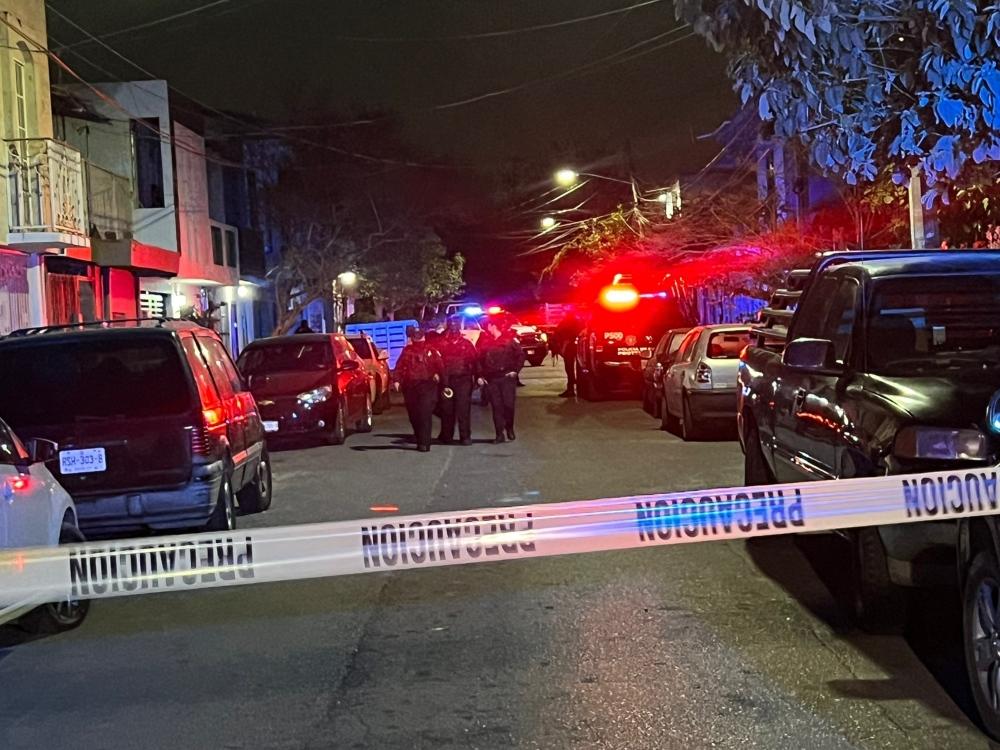
She Vanished in 1975. Nearly 50 Years Later, One DNA Breakthrough Finally Revealed Her Killer


She Vanished in 1975. Nearly 50 Years Later, One DNA Breakthrough Finally Revealed Her Killer
For decades, the mystery haunted investigators.
The victim’s family waited year after year for answers that never came. Detectives chased leads that went nowhere. Witnesses moved away, memories faded, and the case slowly disappeared from public attention.
Yet one thing remained.
The evidence.
Stored inside a police archive for nearly half a century, a small collection of clues quietly survived while technology advanced around it.
What investigators could not solve in 1975 would eventually be solved decades later.
And when the truth finally emerged, it shocked everyone.
A Disappearance That Alarmed a Small Community
In the autumn of 1975, a 22-year-old woman left her workplace and headed home.
She never arrived.
When she failed to contact her family, concern quickly spread.
Friends called local hospitals.
Relatives contacted police.
Officers initially believed she might have experienced car trouble or chosen to stay with friends.
But as hours turned into days, the situation became increasingly serious.
A large search effort was organized.
Volunteers searched roads, wooded areas, fields, and abandoned properties.
Flyers appeared throughout the community.
Local newspapers published her photograph on their front pages.
Everyone hoped she would be found alive.
Instead, searchers made a devastating discovery several days later.
Her body was found in a remote area miles from where she had last been seen.
Investigators immediately recognized that they were dealing with a homicide.
The crime shocked residents and transformed a peaceful town into a community living with fear.
The Early Investigation
Police launched one of the largest investigations in local history.
Detectives interviewed coworkers, relatives, neighbors, former classmates, and anyone who might have encountered the victim before her disappearance.
Hundreds of leads poured in.
Some witnesses reported suspicious vehicles.
Others claimed to have seen unfamiliar individuals near the area where the victim disappeared.
Investigators carefully collected evidence from the crime scene.
They recovered fibers, fingerprints, tire impressions, and several biological samples.
At the time, detectives believed the evidence might eventually identify the killer.
Unfortunately, forensic science in 1975 was extremely limited.
DNA testing did not yet exist.
Many forms of forensic analysis available today were decades away from development.
Despite months of work, detectives failed to identify a suspect.
The case gradually lost momentum.
The Years Turn Into Decades
The victim’s family refused to give up.
Every birthday, every holiday, and every anniversary reminded them of the unanswered questions.
Who was responsible?
Why had the crime happened?
Would justice ever arrive?
Investigators occasionally reviewed the case.
New detectives examined old files.
Tips continued to arrive.
Yet nothing produced a breakthrough.
The homicide officially became a cold case.
To the public, the murder appeared destined to remain unsolved forever.
Inside police storage, however, the evidence remained preserved.
And that evidence still had a story to tell.
A New Generation of Detectives
Nearly fifty years later, a cold-case unit began reviewing unsolved murders from the 1970s.
The victim’s case quickly attracted attention.
Advances in forensic science had transformed criminal investigations.
Evidence once considered useless could now provide valuable information.
Detectives carefully examined every piece of preserved material.
Among the items collected in 1975 were biological samples that had never undergone modern DNA analysis.
Laboratory experts believed the evidence might still contain usable genetic material.
The samples were sent for testing.
Investigators hoped for a breakthrough.
What happened next exceeded all expectations.
Science Unlocks a Secret
Forensic scientists successfully extracted a complete DNA profile from evidence recovered at the original crime scene.
The achievement represented a major milestone.
For the first time in nearly five decades, investigators possessed a genetic profile linked directly to the killer.
The DNA was entered into criminal databases.
Detectives waited anxiously for results.
No match appeared.
The suspect had apparently never been required to provide DNA to law enforcement.
At first, the discovery seemed disappointing.
But detectives had another option.
One that did not exist even a decade earlier.
The Power of Forensic Genealogy
Forensic genealogy has revolutionized cold-case investigations.
Rather than searching directly for the suspect, investigators search for relatives who share portions of the same DNA.
Genealogists joined the investigation and began building an enormous family tree.
The process required months of research.
Birth records were reviewed.
Marriage certificates were analyzed.
Historical census records were examined.
Obituaries provided additional clues.
Thousands of names were considered.
Gradually, investigators narrowed the possibilities.
Eventually, they identified a family line connected to the unknown DNA profile.
One individual quickly became the focus of the investigation.
The Suspect Nobody Expected
The suspect had lived in the region during the mid-1970s.
Remarkably, he had never been a major suspect during the original investigation.
His name appeared only briefly within old reports.
At the time, detectives lacked evidence connecting him to the crime.
Now everything looked different.
Investigators reviewed his background.
Employment records placed him near locations relevant to the investigation.
Witness statements that once seemed insignificant suddenly gained importance.
Old timelines began matching up.
The more detectives learned, the stronger the case became.
Yet they still needed direct proof.
The Evidence Speaks
Detectives quietly monitored the suspect.
Eventually, investigators obtained an item he discarded in a public location.
The object was sent to a forensic laboratory.
Scientists extracted DNA and compared it with the profile recovered from the original crime-scene evidence.
The results were conclusive.
The DNA matched.
After nearly fifty years, investigators finally knew the identity of the killer.
The case that had haunted law enforcement for decades suddenly had an answer.
The Arrest
Police arrested the suspect at his residence.
The news generated national attention.
Many people could not believe a murder committed nearly half a century earlier had finally been solved.
Television stations covered the story extensively.
Newspapers revisited the original investigation.
For the victim’s family, the arrest triggered overwhelming emotions.
Relief.
Grief.
Anger.
Closure.
Nothing could undo the tragedy.
But the truth had finally emerged.
Justice Finally Arrives
During the trial, prosecutors presented extensive forensic evidence.
Experts explained how DNA technology had evolved since 1975.
Genealogists described the painstaking family-tree research that helped identify the suspect.
Detectives reconstructed the investigation from beginning to end.
The defense challenged aspects of the case.
However, the scientific evidence proved compelling.
Jurors listened as nearly fifty years of mystery unfolded before them.
After deliberation, they reached a verdict.
The suspect was found guilty.
Justice had finally arrived.
Why More Cold Cases Are Being Solved
Cases like this are becoming increasingly common.
Across the United States, law-enforcement agencies are reopening old homicide investigations and achieving remarkable breakthroughs.
DNA testing is more powerful than ever before.
Forensic genealogy continues identifying suspects who managed to evade detection for decades.
Evidence collected years ago is producing answers that once seemed impossible.
Thousands of unsolved murders remain under active review.
Many contain preserved evidence that could eventually reveal the truth.
Experts believe the coming years will bring even more cold-case arrests.
A Reminder That Time Does Not Erase the Truth
For nearly fifty years, the killer believed he had escaped accountability.
He watched investigators retire.
He watched headlines disappear.
He assumed the case had been forgotten.
But evidence does not forget.
A small biological sample collected in 1975 quietly waited for science to catch up.
When it finally did, the truth emerged.
The victim’s family received answers.
Investigators achieved justice.
And a murderer learned a lesson that every criminal should remember:
No matter how much time passes, the truth can still be found.
Sometimes justice takes decades.
But as modern cold-case investigations continue proving, it is never too late for the evidence to speak.
Additional Images for the Article
Image 1 – Missing Person Search


Alt Text: Volunteers and police searching for a missing woman in the days after her disappearance.
Image 2 – Crime Scene Investigation


Alt Text: Investigators collecting evidence from the original homicide scene.
Image 3 – Cold Case Files


Alt Text: Archived evidence and files preserved for decades.
Image 4 – DNA Analysis


Alt Text: Scientists examining decades-old evidence using modern DNA technology.
Image 5 – Genealogy Investigation


Alt Text: Researchers building family trees to identify a suspect through DNA.
Image 6 – Arrest of the Suspect


Alt Text: Police arresting a suspect decades after the original murder.
Image 7 – Courthouse and Verdict


Alt Text: Courthouse where the cold case finally reached a verdict and justice was served.
Leave a Reply