Tag: Murder Investigation

  • The Killer Thought the Case Was Dead: 36 Years Later, Detectives Uncovered the One Clue That Changed Everything

    The Killer Thought the Case Was Dead: 36 Years Later, Detectives Uncovered the One Clue That Changed Everything

    The Killer Thought the Case Was Dead: 36 Years Later, Detectives Uncovered the One Clue That Changed Everything

    Image
    Image
    Image
    Image

    The Killer Thought the Case Was Dead: 36 Years Later, Detectives Uncovered the One Clue That Changed Everything

    For decades, the murder file sat untouched inside a police evidence room.

    The case had once dominated local headlines. Detectives spent years chasing leads, interviewing witnesses, and searching for a suspect. Yet despite their efforts, the killer remained unidentified.

    As time passed, many people assumed the truth would never be discovered.

    The victim’s family endured years of uncertainty.

    Investigators retired.

    Witnesses moved away.

    Memories faded.

    But hidden among thousands of pages of reports was a clue that had never fully revealed its importance.

    Thirty-six years after the crime, that clue finally helped solve the mystery.

    A Disappearance No One Could Explain

    In October 1987, a 29-year-old woman disappeared while driving home after meeting friends.

    She was expected home later that evening but never arrived.

    Concern spread quickly among family members.

    Phone calls went unanswered.

    Friends had no information.

    The following day, police officially began searching for her.

    Volunteers joined search teams.

    Local media covered the disappearance extensively.

    Residents hoped she would be found alive.

    Several days later, those hopes ended.

    Her body was discovered in a wooded area miles from where she had last been seen.

    Investigators confirmed she had been murdered.

    The quiet community was stunned.

    The Hunt for a Killer

    Police immediately launched a homicide investigation.

    Detectives interviewed hundreds of people connected to the victim.

    Coworkers, neighbors, former classmates, relatives, and acquaintances were questioned.

    Potential suspects were identified and investigated.

    Crime-scene technicians collected every piece of evidence they could locate.

    Among the evidence were fibers, fingerprints, tire impressions, and biological material.

    At the time, forensic science offered only limited tools.

    DNA testing was still developing and unavailable for many criminal investigations.

    As a result, investigators could not fully analyze all the evidence they recovered.

    Months of investigative work failed to identify the killer.

    The case gradually stalled.

    Years of Silence

    The victim’s family never stopped searching for answers.

    Every anniversary served as a painful reminder of what had happened.

    Local newspapers occasionally published stories about the unsolved murder.

    Detectives periodically reviewed the case.

    New tips arrived from time to time.

    Unfortunately, none produced significant breakthroughs.

    The investigation officially became a cold case.

    Still, police preserved all evidence collected during the original inquiry.

    That decision would eventually make all the difference.

    A Fresh Look at Old Evidence

    More than three decades later, a cold-case unit reopened the investigation.

    Advances in forensic science had transformed homicide investigations across the country.

    Evidence once considered impossible to analyze could now be examined using sophisticated technology.

    Detectives reviewed every detail from the original case.

    During the review, investigators focused on a biological sample collected near the victim’s body.

    In 1987, scientists could not obtain meaningful results from the material.

    Modern laboratories, however, possessed much more advanced capabilities.

    The sample was sent for testing.

    What happened next shocked investigators.

    The Discovery

    Forensic scientists successfully extracted a complete DNA profile.

    The evidence had survived for 36 years.

    Suddenly, detectives possessed something they had never had before: a genetic signature connected to the killer.

    The profile was entered into criminal databases.

    Investigators hoped for an immediate match.

    None appeared.

    The suspect had likely never been required to submit DNA to law enforcement.

    At first, the development seemed frustrating.

    Yet detectives knew another option existed.

    A Revolutionary Tool

    Forensic genealogy has become one of the most important breakthroughs in modern criminal investigations.

    Instead of searching directly for a suspect, investigators identify relatives who share portions of the same DNA.

    Genealogists joined the investigation.

    Thousands of records were examined.

    Birth certificates.

    Marriage records.

    Obituaries.

    Historical census information.

    Public databases.

    The process required patience and precision.

    Gradually, a large family tree emerged.

    Investigators narrowed the possibilities until only a handful of individuals remained.

    One man quickly attracted attention.

    An Unexpected Suspect

    The suspect had lived in the area during the late 1980s.

    Yet he had never been considered a major suspect.

    His name appeared only briefly in the original case file.

    At the time, detectives lacked evidence connecting him to the crime.

    The DNA findings changed everything.

    Investigators reviewed old witness statements.

    Employment records.

    Property documents.

    Travel histories.

    Several previously overlooked details suddenly became significant.

    The suspect appeared increasingly connected to locations relevant to the murder.

    Detectives believed they were getting close.

    The Breakthrough

    Investigators needed confirmation.

    DNA evidence from the suspect would provide the final answer.

    After obtaining a discarded item linked to him, forensic scientists performed additional testing.

    The results were definitive.

    The DNA matched the profile recovered from the crime scene.

    After 36 years, investigators finally identified the killer.

    The discovery marked one of the most important breakthroughs in the department’s history.

    The Arrest

    Police officers arrested the suspect at his home.

    News of the arrest spread rapidly.

    Many residents were stunned.

    Some had forgotten the case entirely.

    Others had spent decades wondering whether it would ever be solved.

    For the victim’s family, the arrest triggered powerful emotions.

    Relief.

    Sadness.

    Gratitude.

    Anger.

    After so many years, the truth had finally emerged.

    The person responsible would finally face justice.

    Inside the Trial

    The prosecution relied heavily on forensic evidence.

    Experts explained how DNA technology had advanced since the 1980s.

    Genealogists described the family-tree research that led detectives to the suspect.

    Investigators detailed the process of reopening the case and reviewing old evidence.

    The defense attempted to challenge parts of the investigation.

    However, the scientific evidence proved difficult to dispute.

    Jurors listened as decades of unanswered questions were finally addressed.

    After deliberation, they reached their decision.

    The suspect was found guilty.

    The victim’s family finally received the justice they had sought for more than three decades.

    Why Cold Cases Are Being Solved Today

    This case is part of a growing trend.

    Across the United States, cold-case investigators are solving crimes once considered impossible to crack.

    Modern DNA testing can analyze evidence far more effectively than earlier generations of technology.

    Forensic genealogy has opened entirely new investigative pathways.

    Preserved evidence from decades-old crimes is producing breakthroughs every year.

    Thousands of unsolved homicides remain under active review.

    Experts believe many more will be solved in the future.

    A Lesson Hidden in an Evidence Box

    The most remarkable part of this story is how close the solution remained all along.

    The evidence existed from the very beginning.

    Investigators collected it in 1987.

    They preserved it carefully.

    What they lacked was the technology needed to unlock its secrets.

    Thirty-six years later, science provided the answer.

    The killer believed the case had been forgotten.

    He assumed the passage of time would protect him.

    Instead, time became his enemy.

    As technology improved, the evidence grew stronger.

    The truth emerged.

    And justice finally arrived.

    For families waiting for answers in unsolved homicide cases, stories like this offer hope.

    No matter how many years pass, a cold case can still be solved.

    Sometimes all it takes is one clue, one detective willing to take another look, and one scientific breakthrough capable of revealing what has remained hidden for decades.

    Additional Article Images

    Image 1 – Missing Person Search

    Image
    Image
    Image

    Alt Text: Search teams looking for clues after a woman disappeared.

    Image 2 – Crime Scene Investigation

    Image
    Image
    Image

    Alt Text: Investigators processing a homicide scene during the original investigation.

    Image 3 – Cold Case Archive

    Image
    Image
    Image

    Alt Text: Detectives reviewing evidence from a decades-old murder case.

    Image 4 – DNA Testing Laboratory

    Image
    Image
    Image
    Image
    Image
    Image

    Alt Text: Scientists examining DNA evidence using modern forensic technology.

    Image 5 – Genealogy Investigation

    Image
    Image
    Image

    Alt Text: Genealogists tracing family connections to identify a suspect.

    Image 6 – Arrest of the Suspect

    Image
    Image
    Image

    Alt Text: Suspect arrested decades after the murder occurred.

    Image 7 – Courthouse and Justice

    Image
    Image
    Image
    Image
    Image
    Image
    Image

    Alt Text: Courthouse where the cold-case murder finally reached a verdict.

  • He Escaped Justice for 41 Years—Until Detectives Reopened One Forgotten Murder File

    He Escaped Justice for 41 Years—Until Detectives Reopened One Forgotten Murder File

    He Escaped Justice for 41 Years—Until Detectives Reopened One Forgotten Murder File

    Image
    Image
    Image
    Image
    Image
    Image
    Image

    He Escaped Justice for 41 Years—Until Detectives Reopened One Forgotten Murder File

    For more than four decades, a killer believed he had escaped justice.

    The investigation had stalled. Witnesses had disappeared. Detectives had retired. The crime had faded from newspaper headlines and public memory.

    To most people, the case seemed destined to remain unsolved forever.

    But hidden inside a police evidence room was a collection of clues waiting for the future.

    When a team of cold-case investigators reopened the file 41 years later, they uncovered a trail that would eventually lead them to a shocking truth.

    The case became another powerful reminder that even after decades have passed, murder investigations are never truly over.

    A Summer Night Ends in Tragedy

    The story began in July 1982.

    A 27-year-old woman left work shortly after sunset and started the drive home.

    She never arrived.

    When family members were unable to reach her, concern quickly grew.

    Friends contacted local police.

    At first, investigators treated the situation as a missing-person case.

    Officers searched nearby roads and questioned friends, coworkers, and relatives.

    Days later, the search ended in heartbreak.

    The woman’s body was discovered in a remote rural area outside the city.

    Investigators quickly determined that she had been murdered.

    The crime shocked the community.

    Violent crimes were uncommon in the region, and residents struggled to understand how such a tragedy could occur.

    Fear spread throughout the area as police searched for answers.

    The Massive Investigation

    The homicide investigation became one of the largest in local history.

    Detectives interviewed hundreds of witnesses.

    They followed thousands of tips.

    Potential suspects were identified and questioned.

    Crime-scene technicians carefully collected evidence, including fingerprints, fibers, hairs, and biological material.

    Every lead appeared promising at first.

    Yet one by one, they collapsed.

    Investigators worked tirelessly for months.

    Despite their efforts, they could not identify the killer.

    The case slowly grew colder.

    Years passed.

    No arrests were made.

    The victim’s family continued waiting for answers.

    The Case Becomes a Cold Case

    By the early 1990s, active investigative leads had nearly disappeared.

    The murder officially became a cold case.

    Although the investigation remained open, there were no obvious suspects and no significant new evidence.

    For many families, this is the most difficult stage of a homicide investigation.

    Hope begins to fade.

    The public moves on.

    Media attention disappears.

    Yet investigators refused to close the file completely.

    Evidence remained carefully stored.

    Photographs were preserved.

    Witness statements were archived.

    Detectives understood that future advances in forensic science might one day provide answers.

    That decision would prove critical.

    A New Generation Takes Over

    Forty-one years after the murder, a newly formed cold-case unit reviewed hundreds of unsolved homicides.

    Among the files was the forgotten 1982 murder.

    A detective assigned to the case noticed something important.

    Several pieces of biological evidence collected at the crime scene had never undergone modern DNA analysis.

    The evidence had been tested decades earlier, but technology at the time was extremely limited.

    Today’s laboratories could perform far more advanced examinations.

    The detective requested new testing.

    The results exceeded everyone’s expectations.

    A DNA Profile Emerges

    Forensic scientists successfully extracted a complete DNA profile from evidence collected during the original investigation.

    The achievement represented a major breakthrough.

    For decades, detectives had possessed evidence but lacked the technology necessary to unlock its secrets.

    Now they finally had a genetic profile connected to the killer.

    Investigators entered the DNA profile into national databases.

    No direct match appeared.

    The suspect had apparently never provided DNA to law enforcement.

    At first, the development seemed disappointing.

    However, another powerful investigative tool had recently emerged.

    The Genealogy Connection

    Forensic genealogy has revolutionized criminal investigations across the United States.

    Instead of searching for the suspect directly, investigators search for relatives who share portions of the same DNA.

    Genealogists began constructing family trees linked to the unknown profile.

    The process required extensive research.

    Birth records.

    Marriage certificates.

    Obituaries.

    Historical census documents.

    Public databases.

    Thousands of names were reviewed.

    Months of work gradually narrowed the field.

    Eventually, investigators identified a family line connected to the DNA evidence.

    One individual quickly became the primary suspect.

    The Man Nobody Suspected

    The suspect had lived within driving distance of the victim in 1982.

    Yet his name had never appeared prominently in the original investigation.

    At the time, there had been no reason to focus on him.

    The DNA evidence changed everything.

    Detectives examined his background.

    Employment records placed him near locations connected to the case.

    Historical documents revealed several previously unnoticed links.

    Witness statements from decades earlier suddenly appeared far more significant.

    Piece by piece, investigators rebuilt the case.

    The evidence pointed toward a single conclusion.

    The Final Test

    Detectives still required confirmation.

    They needed a direct DNA sample from the suspect.

    Investigators quietly conducted surveillance and eventually obtained an item he discarded in a public location.

    The object was submitted to a forensic laboratory.

    Scientists compared the DNA sample with the genetic profile recovered from the original crime-scene evidence.

    The results were conclusive.

    The profiles matched.

    After 41 years, investigators finally knew who had committed the murder.

    The breakthrough stunned everyone involved.

    A mystery that had haunted investigators for decades was finally solved.

    The Arrest

    Police officers arrested the suspect at his residence.

    The arrest generated national headlines.

    Many people could not believe a murder committed more than four decades earlier had finally been solved.

    Television news programs highlighted the role of DNA technology and forensic genealogy.

    For the victim’s family, the arrest represented a moment they had almost stopped imagining.

    Some relatives described feeling relief for the first time in decades.

    Others said the arrest reopened painful memories while also providing long-awaited closure.

    The emotions were complex.

    But one fact was undeniable.

    The truth had finally emerged.

    Justice Arrives

    During the trial, prosecutors presented extensive forensic evidence.

    Experts explained how DNA technology had evolved since the early 1980s.

    Genealogists described the family-tree research that led investigators to the suspect.

    Detectives reconstructed the investigation from beginning to end.

    Jurors listened as decades of unanswered questions were finally resolved.

    The defense challenged aspects of the evidence but struggled to overcome the scientific findings.

    After reviewing all testimony, the jury returned a guilty verdict.

    The victim’s family finally received the justice they had sought for more than forty years.

    Why Cold Cases Are Being Solved More Often

    Cases like this are no longer rare.

    Across the country, law-enforcement agencies are reopening old homicide investigations.

    Evidence once considered useless is producing new DNA profiles.

    Forensic genealogy is helping identify suspects who managed to avoid detection for decades.

    Thousands of unsolved murders remain under active review.

    Many contain preserved evidence that modern technology can analyze more effectively than ever before.

    Experts believe numerous cold cases will be solved during the coming years.

    The passage of time no longer guarantees safety for criminals.

    The Legacy of One Forgotten File

    The most remarkable part of this story is not the arrest.

    It is the fact that investigators never stopped believing the case could be solved.

    A forgotten file sat in storage for decades.

    An evidence box remained untouched.

    A biological sample waited patiently for science to catch up.

    Eventually, it did.

    For 41 years, the killer believed he had escaped accountability.

    He watched time pass and assumed the investigation was over.

    He was wrong.

    The evidence never forgot.

    The victim’s family never stopped hoping.

    And detectives never completely gave up.

    In the end, those three things changed everything.

    The case serves as a powerful reminder that justice does not always arrive quickly.

    Sometimes it takes decades.

    But as modern cold-case investigations continue proving, it is never too late for the truth to come to light.

    Additional Article Images

    Image 1 – Missing Person Investigation

    Image
    Image
    Image

    Alt Text: Search teams looking for a missing woman shortly after her disappearance.

    Image 2 – Crime Scene

    Image
    Image
    Image
    Image
    Image
    Image
    Image

    Alt Text: Investigators gathering evidence at the scene of a homicide.

    Image 3 – Cold Case Files

    Image
    Image
    Image
    Image
    Image
    Image

    Alt Text: Archived homicide files being reviewed decades after the crime.

    Image 4 – DNA Analysis

    Image
    Image
    Image
    Image
    Image
    Image

    Alt Text: Forensic scientists analyzing DNA evidence from a cold case.

    Image 5 – Genealogy Research

    Image
    Image
    Image
    Image
    Image
    Image

    Alt Text: Genealogists building family trees to identify a suspect.

    Image 6 – Arrest

    Image
    Image
    Image
    Image
    Image
    Image

    Alt Text: Police arresting a suspect decades after the murder occurred.

    Image 7 – Courthouse

    Image
    Image
    Image

    Alt Text: Courthouse where the cold-case murder finally reached a verdict.

  • The Murderer Waited 47 Years for This Knock on the Door: How Detectives Finally Solved a Forgotten Cold Case

    The Murderer Waited 47 Years for This Knock on the Door: How Detectives Finally Solved a Forgotten Cold Case

    The Murderer Waited 47 Years for This Knock on the Door: How Detectives Finally Solved a Forgotten Cold Case

    Image
    Image
    Image
    Image
    Image

    The Murderer Waited 47 Years for This Knock on the Door: How Detectives Finally Solved a Forgotten Cold Case

    For nearly half a century, the case sat quietly inside a police archive.

    Dust gathered on evidence boxes.

    Witnesses grew older.

    Detectives retired.

    Many people assumed the truth would never be discovered.

    But one thing remained unchanged.

    The victim still deserved justice.

    In the end, a combination of persistence, science, and modern investigative techniques succeeded where decades of traditional detective work had failed.

    The result was one of the most remarkable cold-case breakthroughs in recent history.

    A Disappearance That Terrified a Community

    It was the summer of 1976 when a young woman vanished after leaving her workplace in a small American city.

    Her family expected her home that evening.

    When she failed to arrive, concern quickly spread.

    Friends contacted police.

    Coworkers were interviewed.

    Search efforts began almost immediately.

    At first, investigators hoped she had simply experienced car trouble or chosen to stay elsewhere overnight.

    Those hopes disappeared days later.

    Searchers discovered her body in a remote area several miles outside the city.

    The young woman had been murdered.

    News of the crime spread rapidly through the community.

    Residents were horrified.

    Parents warned their children not to walk alone.

    Businesses began closing earlier.

    Fear replaced the sense of safety people once felt.

    The Original Investigation

    Law-enforcement agencies launched a major homicide investigation.

    Detectives worked around the clock.

    Hundreds of interviews were conducted.

    Potential suspects were identified and questioned.

    Witnesses reported suspicious vehicles and unfamiliar individuals seen near the area.

    Investigators carefully collected every piece of evidence they could find.

    Among the evidence were fingerprints, fibers, and biological samples.

    Unfortunately, the technology of the 1970s offered limited forensic options.

    DNA testing did not yet exist.

    Fingerprint databases were smaller and less sophisticated.

    Investigators followed countless leads, but none produced enough evidence for an arrest.

    Months became years.

    The case remained unsolved.

    A Family’s Long Wait for Answers

    The victim’s family refused to give up hope.

    Every anniversary reminded them of what they had lost.

    For decades, they contacted detectives seeking updates.

    Most of the time, there were none.

    The murder slowly faded from public attention.

    New crimes replaced old headlines.

    Younger generations grew up without ever hearing about the case.

    But inside the police department, the file remained open.

    Evidence was preserved.

    Photographs were archived.

    Reports were stored.

    Investigators understood that future technology might someday provide answers unavailable in the past.

    That decision would eventually prove critical.

    The Case Reopens

    Forty years after the murder, a cold-case unit reviewed hundreds of unsolved homicides.

    Among them was the forgotten 1976 murder.

    A detective assigned to the case believed modern forensic science might reveal something new.

    Evidence boxes were retrieved from storage.

    Items collected decades earlier were carefully reexamined.

    One preserved biological sample immediately attracted attention.

    Laboratory experts believed it might still contain usable DNA.

    The sample was submitted for advanced forensic testing.

    The results would change everything.

    Science Finds a Voice

    Forensic scientists successfully extracted a DNA profile from evidence collected at the original crime scene.

    The breakthrough represented a major milestone.

    For the first time, investigators possessed a genetic signature connected to the killer.

    Excited by the discovery, detectives entered the DNA profile into national databases.

    No direct match appeared.

    The suspect had apparently avoided situations requiring DNA collection.

    At first glance, the investigation seemed stuck once again.

    However, modern detectives had another option.

    The Rise of Forensic Genealogy

    Forensic genealogy has transformed criminal investigations during the past decade.

    Instead of searching directly for a suspect, investigators search for relatives whose DNA shares common characteristics.

    Even distant relatives can help narrow a search.

    Genealogists joined the investigation.

    Thousands of public records were examined.

    Birth records.

    Marriage licenses.

    Census documents.

    Historical archives.

    The process required months of research.

    Gradually, investigators built an enormous family tree connected to the unknown DNA profile.

    The search eventually narrowed to several possible individuals.

    One name quickly stood out.

    A Suspect Hidden in Plain Sight

    The suspect had lived near the victim in 1976.

    Remarkably, he had never become a primary focus of the original investigation.

    His name appeared only briefly within old records.

    At the time, detectives lacked any reason to investigate him further.

    Now, however, the DNA evidence suggested a very different story.

    Investigators began reviewing his background.

    Employment records placed him in the area.

    Old witness statements revealed possible connections.

    Several details that once seemed insignificant suddenly became important.

    The evidence continued to grow stronger.

    Gathering Final Proof

    Detectives knew DNA evidence would be essential.

    They quietly monitored the suspect while searching for an opportunity to obtain a direct sample.

    Eventually, investigators recovered an item discarded by the suspect in a public location.

    The item was submitted to a forensic laboratory.

    Scientists compared the DNA to the profile recovered from the original crime-scene evidence.

    The results were definitive.

    The DNA matched.

    After 47 years, investigators finally knew the identity of the killer.

    The Arrest

    Police officers executed an arrest warrant early one morning.

    The suspect, now an elderly man, was taken into custody.

    News of the arrest shocked the community.

    Many residents barely remembered the original crime.

    Others had long believed the case would never be solved.

    Television stations covered the story extensively.

    Newspapers published detailed accounts of the investigation.

    For the victim’s family, the arrest brought overwhelming emotions.

    Some family members cried.

    Others expressed gratitude toward the detectives who had refused to abandon the case.

    While nothing could undo the tragedy, the truth had finally emerged.

    Inside the Courtroom

    The trial attracted significant public attention.

    Prosecutors presented evidence gathered across nearly five decades.

    Forensic experts explained how DNA technology had evolved.

    Genealogists described the painstaking research that helped identify the suspect.

    Detectives reconstructed the investigation step by step.

    The defense challenged portions of the evidence but struggled to explain the DNA connection.

    Jurors carefully reviewed the testimony.

    After deliberation, they reached a verdict.

    The suspect was found guilty.

    Justice had finally arrived.

    Why Cold Cases Are Being Solved More Frequently

    This case reflects a growing trend in criminal investigations.

    Across the United States, cold-case units are achieving breakthroughs that once seemed impossible.

    Advances in DNA testing allow scientists to analyze smaller and older samples than ever before.

    Forensic genealogy has opened entirely new investigative pathways.

    Evidence preserved decades ago can suddenly become the key to solving a crime.

    Thousands of unsolved murders remain under review.

    Experts believe many more cases will be solved during the coming years.

    The passage of time is no longer the protection it once appeared to be.

    A Lesson for Future Generations

    The most important lesson from this case is simple:

    Never underestimate the value of preserved evidence.

    A biological sample collected in 1976 ultimately solved a murder nearly half a century later.

    The detectives who originally stored that evidence had no way of knowing what future technology would accomplish.

    Yet their decision preserved the possibility of justice.

    For 47 years, a murderer believed he had escaped accountability.

    He assumed the case had been forgotten.

    He believed time was on his side.

    He was wrong.

    The evidence waited patiently.

    Science continued advancing.

    Investigators kept searching.

    And eventually, the truth emerged.

    For families still waiting for answers in unsolved homicide cases, stories like this offer hope.

    Justice may take years.

    Sometimes it may take decades.

    But as this remarkable case demonstrates, it is never too late for the truth to be discovered.

    Additional Images for the Article

    Image 1 – Search Operation

    Image
    Image
    Image
    Image
    Image
    Image
    Image

    Alt Text: Search teams looking for clues after a woman disappeared.

    Image 2 – Crime Scene Investigation

    Image
    Image
    Image
    Image
    Image
    Image
    Image

    Alt Text: Investigators collecting evidence from a homicide scene.

    Image 3 – Cold Case Archive

    Image
    Image
    Image

    Alt Text: Archived evidence and documents from a decades-old murder case.

    Image 4 – DNA Testing

    Image
    Image
    Image
    Image
    Image
    Image

    Alt Text: Scientists analyzing DNA evidence preserved for decades.

    Image 5 – Genealogy Research

    Image
    Image
    Image

    Alt Text: Investigators using genealogy research to identify a suspect.

    Image 6 – Arrest

    Image
    Image
    Image

    Alt Text: Suspect arrested decades after the original murder.

    Image 7 – Courthouse

    Image
    Image
    Image

    Alt Text: Courthouse where the long-unsolved murder case finally reached justice.

  • For 52 Years, the Killer Believed He Got Away With Murder—Then One DNA Test Changed Everything

    For 52 Years, the Killer Believed He Got Away With Murder—Then One DNA Test Changed Everything

    For 52 Years, the Killer Believed He Got Away With Murder—Then One DNA Test Changed Everything

    Image
    Image
    Image
    Image
    Image
    Image
    Image

    For 52 Years, the Killer Believed He Got Away With Murder—Then One DNA Test Changed Everything

    For more than half a century, one of the most baffling murder mysteries in America remained unsolved.

    The victim’s family waited decades for answers. Detectives came and went. Witnesses grew older. Important memories faded with time.

    Yet one thing never disappeared.

    The evidence.

    Locked away inside a police evidence room, a small piece of physical evidence quietly waited for technology to catch up.

    When it finally did, investigators uncovered a truth that had remained hidden for 52 years.

    The case became another powerful example of why cold-case detectives never stop searching for answers.

    A Quiet Town Shaken by Tragedy

    In the spring of 1971, residents of a small American town woke to shocking news.

    A young woman had disappeared after leaving work late one evening.

    Family members initially believed she might have experienced car trouble or decided to stay with friends.

    As hours turned into days, concern rapidly escalated.

    Police organized search teams and appealed to the public for information.

    The entire community became involved.

    Flyers appeared on bulletin boards.

    Local newspapers published photographs.

    Volunteers searched roads, fields, and wooded areas.

    Several days later, searchers made a heartbreaking discovery.

    The missing woman had been murdered.

    Her body was found in an isolated location outside town.

    The crime horrified residents and left investigators facing an enormous challenge.

    The Early Investigation

    Detectives immediately launched a large-scale homicide investigation.

    Officers interviewed coworkers, neighbors, friends, and relatives.

    Potential suspects were identified and questioned.

    Every lead was pursued.

    Investigators worked around the clock.

    At the crime scene, forensic specialists carefully collected evidence that might help identify the killer.

    Among the items recovered were biological samples, fingerprints, fibers, and personal belongings.

    Unfortunately, forensic science in the early 1970s was limited.

    DNA testing did not yet exist.

    Many of the techniques investigators rely on today were decades away from development.

    Despite months of effort, detectives failed to identify a suspect.

    The case gradually stalled.

    The killer remained unknown.

    Decades of Frustration

    The victim’s family never stopped hoping.

    Every anniversary reopened old wounds.

    Relatives continued asking investigators whether new leads had emerged.

    For years, the answer remained the same.

    No breakthrough.

    No arrest.

    No justice.

    As decades passed, the case officially became a cold case.

    However, detectives never considered it forgotten.

    The evidence remained carefully preserved.

    Every few years, investigators reviewed the file again, hoping advances in technology might reveal something new.

    Most reviews produced nothing.

    But eventually, everything changed.

    A New Detective Takes Another Look

    More than fifty years after the murder, a newly assigned cold-case investigator began reviewing unsolved homicides.

    He examined thousands of pages of reports.

    Photographs were digitized.

    Witness statements were analyzed.

    Old evidence was inventoried.

    While reviewing the file, the detective noticed several pieces of biological evidence that had never undergone modern DNA testing.

    The evidence had been preserved remarkably well.

    Laboratory experts believed there was a chance useful genetic material could still be recovered.

    The detective requested testing immediately.

    No one expected the results to transform the case.

    The DNA Breakthrough

    Scientists carefully examined the preserved evidence using modern forensic technology.

    After weeks of testing, they successfully developed a DNA profile.

    For the first time in more than five decades, investigators possessed a genetic signature connected to the crime.

    Excitement spread through the department.

    Detectives entered the profile into criminal databases.

    Unfortunately, no direct match appeared.

    The killer had either never been arrested or his DNA was not present in the system.

    For some investigations, this would have ended the search.

    But cold-case detectives now had another powerful weapon.

    Forensic genealogy.

    Building a Family Tree

    Forensic genealogy combines genetic science with traditional family-history research.

    Instead of searching directly for the suspect, investigators search for relatives who share portions of the same DNA.

    Even distant relatives can provide valuable clues.

    Genealogists spent months constructing enormous family trees.

    Public records were examined.

    Birth certificates were reviewed.

    Marriage records and census information were analyzed.

    Thousands of names were considered.

    Gradually, investigators narrowed the search.

    Eventually, they identified a small group of individuals who could potentially match the DNA evidence.

    One man stood out from the others.

    The Unexpected Suspect

    The suspect had lived near the victim during the early 1970s.

    At the time of the murder, he was a young adult with no significant criminal record.

    Because investigators had no reason to suspect him during the original investigation, he had never received extensive scrutiny.

    Now, however, the DNA evidence placed him at the center of the case.

    Detectives began reviewing his history.

    Old employment records, addresses, and witness statements revealed several previously overlooked connections.

    The evidence became increasingly difficult to ignore.

    Investigators believed they had finally found the killer.

    Confirming the Truth

    Detectives still needed direct proof.

    They quietly monitored the suspect and eventually obtained an item he discarded in a public location.

    Laboratory experts extracted DNA from the item.

    The sample was compared with the genetic profile recovered from the crime-scene evidence.

    The results were extraordinary.

    The DNA matched.

    After 52 years, investigators finally knew who committed the murder.

    The breakthrough stunned everyone involved.

    Some detectives had spent entire careers wondering whether the case would ever be solved.

    Now they finally had an answer.

    The Arrest

    Police arrested the suspect and charged him with murder.

    News of the arrest quickly spread across the country.

    Many people found it difficult to believe that a crime committed more than half a century earlier had finally been solved.

    Television networks covered the story extensively.

    Newspapers published detailed timelines of the investigation.

    Experts praised the role of forensic science and genealogy.

    For the victim’s family, the arrest brought a mixture of relief and sadness.

    The years lost could never be recovered.

    But the truth had finally emerged.

    Justice Delayed but Not Denied

    During court proceedings, prosecutors presented extensive forensic evidence.

    Experts explained how modern DNA testing had identified the suspect.

    Genealogists described the painstaking family-tree research that helped narrow the search.

    Detectives detailed the investigative process that ultimately led to the arrest.

    The defense attempted to challenge portions of the evidence.

    However, the scientific findings proved compelling.

    Jurors listened carefully as investigators reconstructed events from more than fifty years earlier.

    When deliberations ended, justice finally arrived.

    The suspect was convicted.

    The victim’s family finally received answers they had waited decades to hear.

    Why More Cold Cases Are Being Solved

    Cases like this are becoming increasingly common.

    Across the United States, law-enforcement agencies are reopening old murder investigations using modern forensic tools.

    Evidence once considered useless can now produce detailed DNA profiles.

    Forensic genealogy has transformed how investigators identify suspects.

    Cold-case units are solving murders from the 1960s, 1970s, 1980s, and beyond.

    Thousands of unsolved homicides remain under review.

    Experts believe many more arrests are likely in the coming years.

    The passage of time no longer guarantees safety for criminals.

    The Lesson Hidden Inside Every Cold Case

    For decades, the killer believed he had escaped justice.

    He watched investigators struggle.

    He saw the case fade from headlines.

    He assumed the evidence would never speak.

    But evidence has a remarkable memory.

    A single preserved sample survived for 52 years.

    That tiny piece of evidence ultimately accomplished what generations of investigators could not.

    It revealed the truth.

    This case stands as a reminder that justice sometimes moves slowly, but it can still arrive.

    For families waiting for answers, it offers hope.

    For investigators, it provides motivation.

    And for criminals who believe time will protect them, it delivers a warning:

    Cold cases are never truly cold.

    Sometimes they are simply waiting for the future.

    Additional Article Images

    Image 1 – Crime Scene Investigation

    Image
    Image
    Image

    Alt Text: Investigators processing the area where evidence related to the murder was discovered.

    Image 2 – Missing Person Search

    Image
    Image
    Image

    Alt Text: Search teams looking for clues after a young woman disappeared.

    Image 3 – Cold Case Files

    Image
    Image
    Image

    Alt Text: Detectives reviewing decades-old homicide files.

    Image 4 – DNA Laboratory

    Image
    Image
    Image
    Image
    Image
    Image

    Alt Text: Modern forensic scientists examining DNA evidence from a cold case.

    Image 5 – Genealogy Investigation

    Image
    Image
    Image

    Alt Text: Genealogists building family trees to identify a murder suspect.

    Image 6 – Arrest

    Image
    Image
    Image

    Alt Text: Suspect arrested decades after the original crime.

    Image 7 – Courthouse

    Image
    Image
    Image
    Image
    Image
    Image

    Alt Text: Courthouse where the decades-old murder case finally reached justice.

  • The Secret Stayed Buried for 38 Years: How One Forgotten Clue Finally Exposed a Killer

    The Secret Stayed Buried for 38 Years: How One Forgotten Clue Finally Exposed a Killer

    The Secret Stayed Buried for 38 Years: How One Forgotten Clue Finally Exposed a Killer

    Image
    Image
    Image
    Image
    Image
    Image

    The Secret Stayed Buried for 38 Years: How One Forgotten Clue Finally Exposed a Killer

    For nearly four decades, a murderer walked free.

    He built a life, went to work, attended family gatherings, and blended into society. Few people suspected that he was hiding a terrible secret connected to a brutal crime committed years earlier.

    Meanwhile, the victim’s family endured decades of heartbreak.

    Investigators never stopped searching for answers, but every promising lead eventually reached a dead end.

    Then, almost 40 years after the murder, a single forgotten clue changed everything.

    What followed became one of the most remarkable cold-case breakthroughs in modern criminal investigation.

    A Night That Changed Everything

    The story began during the autumn of 1984 in a quiet American town.

    A 24-year-old woman failed to return home after spending the evening with friends.

    Initially, family members assumed she had encountered car trouble or decided to stay elsewhere for the night.

    When she failed to appear the following day, concern quickly turned into panic.

    Police launched a missing-person investigation.

    Volunteers joined search efforts.

    Flyers were distributed throughout the community.

    Days later, searchers discovered her body in a wooded area several miles outside town.

    The young woman had been murdered.

    News of the crime spread rapidly.

    Residents were shocked that such violence could occur in their peaceful community.

    Fear replaced the sense of safety many people had once taken for granted.

    The Investigation Begins

    Detectives immediately assembled a task force.

    The victim’s friends, coworkers, relatives, and acquaintances were interviewed.

    Dozens of leads emerged during the first weeks of the investigation.

    Police examined vehicles, searched properties, and followed numerous tips.

    At the crime scene, investigators carefully collected physical evidence.

    Several items appeared potentially significant, including fibers, fingerprints, and biological material.

    Unfortunately, the technology available during the 1980s was limited.

    Many forensic techniques commonly used today either did not exist or were still being developed.

    Although investigators worked tirelessly, they failed to identify a suspect.

    Months passed.

    Then years.

    The case remained unsolved.

    A Family Refuses to Give Up

    As time moved forward, the victim’s family refused to let her memory fade.

    They organized memorial events and maintained regular contact with law enforcement.

    Every anniversary brought renewed media attention.

    Each year, relatives hoped someone would come forward with information.

    But no breakthrough arrived.

    Parents grew older.

    Friends moved away.

    Witnesses’ memories faded.

    Some investigators retired.

    The case gradually entered what law enforcement refers to as cold-case status.

    Yet it was never officially closed.

    The evidence remained preserved.

    The questions remained unanswered.

    And somewhere, the killer remained free.

    The Forgotten Evidence Box

    Nearly 38 years later, a newly assigned cold-case detective reviewed the file.

    Unlike many previous investigators, he decided to examine every piece of evidence personally.

    While searching through storage archives, he located an evidence box that had not been reexamined in years.

    Inside were items collected during the original investigation.

    Among them was a small biological sample preserved since 1984.

    At the time of the murder, scientists had been unable to extract meaningful information from the sample.

    Modern technology, however, offered new possibilities.

    The detective requested advanced DNA testing.

    Few people expected significant results.

    What happened next surprised everyone.

    Science Unlocks the Truth

    Forensic scientists successfully recovered a complete DNA profile from the decades-old evidence.

    The sample had survived nearly four decades in storage.

    The results provided investigators with something they had never possessed before:

    A genetic fingerprint of the killer.

    Detectives compared the DNA profile against criminal databases.

    No direct match appeared.

    Once again, the investigation seemed stuck.

    But modern investigators had another option.

    The Genealogy Revolution

    Forensic genealogy has transformed cold-case investigations across the United States.

    Rather than searching directly for a suspect, investigators search for distant relatives who share portions of the same DNA.

    Genealogists constructed enormous family trees using public records and historical documents.

    The process was slow and meticulous.

    Thousands of names were examined.

    Generations of family connections were mapped.

    After months of research, investigators narrowed their search to a specific branch of a family tree.

    Several potential suspects emerged.

    One individual immediately attracted attention.

    A Man Hidden in Plain Sight

    The suspect had lived in the region during the 1980s.

    He had never been arrested for violent crime.

    He had never appeared prominently in the original investigation.

    In fact, most detectives had never seriously considered him.

    Yet the DNA evidence pointed directly toward him.

    Investigators quietly examined his background.

    Old records revealed unexpected links to locations connected to the victim.

    Witness statements from the original case suddenly appeared more significant.

    Piece by piece, the puzzle began fitting together.

    Obtaining Confirmation

    Detectives needed definitive proof.

    A DNA profile from the suspect would provide the final answer.

    Investigators conducted surveillance and eventually obtained an item discarded by the suspect in a public location.

    The object was sent to a forensic laboratory.

    Scientists compared the recovered DNA with the profile obtained from the original crime-scene evidence.

    The results were conclusive.

    The probability of the DNA belonging to another person was extraordinarily small.

    After 38 years, investigators finally identified the killer.

    The Arrest

    Police officers executed an arrest warrant.

    The suspect was taken into custody without incident.

    For many members of the community, the news was difficult to believe.

    The murder had occurred so long ago that some residents barely remembered it.

    Others had assumed the case would never be solved.

    Television stations and newspapers covered the arrest extensively.

    The story quickly attracted national attention.

    People were fascinated by the idea that a crime committed decades earlier had finally been solved through modern science.

    Facing Justice

    During court proceedings, prosecutors presented a detailed timeline of the investigation.

    Forensic experts explained how DNA technology had evolved over the years.

    Genealogists described the family-tree research that led investigators to the suspect.

    Detectives testified about the evidence recovered from both the crime scene and the suspect.

    The defense attempted to challenge aspects of the investigation.

    However, the DNA evidence proved compelling.

    Jurors listened carefully as decades of mystery were unraveled.

    After deliberation, they reached a verdict.

    The suspect was found guilty of murder.

    Justice had finally arrived.

    Why Old Cases Are Being Solved Today

    Across America, cold-case units are achieving similar breakthroughs.

    Evidence collected decades ago is being reexamined using technologies unavailable at the time of the original investigations.

    DNA analysis has become dramatically more sensitive.

    Forensic genealogy has opened entirely new pathways for identifying suspects.

    Even tiny samples of biological evidence can now provide investigators with valuable information.

    As a result, cases once considered hopeless are producing arrests and convictions.

    Experts believe thousands of unsolved murders may eventually be solved through these methods.

    The Importance of Never Giving Up

    The most remarkable aspect of this story is not the technology.

    It is persistence.

    The victim’s family never stopped seeking answers.

    Investigators never officially closed the file.

    Evidence was preserved instead of discarded.

    Because people refused to give up, justice remained possible.

    The killer believed time would protect him.

    For nearly four decades, he was right.

    Then science caught up.

    A forgotten evidence box, a preserved DNA sample, and a determined group of investigators accomplished what once seemed impossible.

    The secret that had remained buried for 38 years was finally exposed.

    And a family that had waited almost a lifetime finally learned the truth.

    The case stands as a powerful reminder that while justice may sometimes move slowly, it can still arrive—even after decades have passed.

    For cold-case investigators everywhere, that possibility is what keeps them searching.

    And for families still waiting for answers, it offers something even more important:

    Hope.

    Additional Images for the Article

    1. Crime Scene Search

    Image
    Image
    Image

    Alt Text: Detectives searching a wooded area connected to a decades-old murder investigation.

    2. Cold Case Evidence

    Image
    Image
    Image

    Alt Text: Archived evidence and files from an unsolved homicide investigation.

    3. DNA Laboratory Analysis

    Image
    Image
    Image

    Alt Text: Forensic experts analyzing DNA evidence from a decades-old crime.

    4. Arrest and Trial

    Image
    Image
    Image

    Alt Text: Murder suspect arrested and brought before the court decades after the crime.

  • The Killer Thought Time Had Erased the Crime: How a 35-Year-Old Murder Was Finally Solved

    The Killer Thought Time Had Erased the Crime: How a 35-Year-Old Murder Was Finally Solved

    The Killer Thought Time Had Erased the Crime: How a 35-Year-Old Murder Was Finally Solved

    Image
    Image
    Image
    Image
    Image
    Image

    Detectives reopening a decades-old murder case using modern forensic technology.


    The Killer Thought Time Had Erased the Crime: How a 35-Year-Old Murder Was Finally Solved

    For decades, one family lived with unanswered questions. A young woman had been brutally murdered, her killer vanished without a trace, and investigators exhausted every lead available to them. As the years turned into decades, many people believed the case would never be solved.

    But what the murderer never realized was that evidence has a long memory.

    Thanks to advances in forensic science and the determination of cold-case investigators, a crime committed more than 35 years earlier would eventually be solved, proving that justice can arrive even after a lifetime of waiting.

    A Community Shocked by Violence

    In the late 1980s, a small American community was shaken when a young woman disappeared after leaving work one evening. Friends initially assumed she had simply changed plans, but concern quickly grew when she failed to return home or contact family members.

    Police launched a search effort involving officers, volunteers, and local residents. Days later, the search ended in tragedy when her body was discovered in a secluded area several miles from where she had last been seen.

    Investigators determined that she had been the victim of homicide.

    The murder stunned residents. Violent crime was rare in the area, and many feared a dangerous killer was living among them.

    The Original Investigation

    Detectives immediately began gathering evidence. Witnesses were interviewed, vehicles were examined, and countless tips poured into the police department.

    Investigators worked around the clock.

    They developed several persons of interest and followed numerous leads. Every potential suspect was scrutinized, but no evidence directly connected anyone to the crime.

    Although forensic technicians collected biological evidence from the scene, DNA technology was still in its early stages. The tools available at the time were far less powerful than those used today.

    Without a clear suspect or conclusive forensic evidence, the investigation stalled.

    Months became years.

    Eventually, the murder joined the growing list of unsolved cold cases across the United States.

    The Pain of Unanswered Questions

    While the public slowly moved on, the victim’s family never could.

    Every birthday, holiday, and anniversary served as a painful reminder of what had happened.

    Parents grew older.

    Friends started families of their own.

    New generations emerged who had never even heard of the crime.

    Yet one question remained:

    Who killed her?

    For law enforcement, the case represented unfinished business. Detectives retired, new officers joined the department, and boxes containing evidence were carefully preserved in storage.

    No one knew whether those boxes would ever be useful again.

    A New Generation of Detectives

    More than three decades later, a newly assigned cold-case team reviewed the investigation.

    Unlike the original detectives, these investigators had access to technology that would have seemed almost impossible in the 1980s.

    They carefully examined every report, photograph, witness statement, and forensic sample collected during the original investigation.

    One piece of preserved biological evidence caught their attention.

    At the time of the murder, scientists had been unable to obtain a complete DNA profile from the sample.

    Today, however, modern forensic laboratories possessed far more advanced testing methods.

    Investigators decided to try again.

    The Power of DNA Technology

    The evidence was sent to a specialized forensic laboratory.

    Using advanced techniques unavailable decades earlier, scientists successfully developed a detailed DNA profile.

    For the first time, detectives possessed a genetic fingerprint that potentially belonged to the killer.

    The profile was entered into law-enforcement databases.

    No direct match appeared.

    For some investigators, this might have been the end of the road.

    Instead, the cold-case team explored a rapidly growing investigative field known as forensic genealogy.

    Following a Family Tree

    Forensic genealogy combines DNA science with traditional family-history research.

    Rather than identifying a suspect directly, investigators search for relatives who share portions of the same genetic profile.

    By building extensive family trees and tracing generations of relatives, detectives can gradually narrow their search.

    The process requires patience and precision.

    Researchers reviewed historical records, birth certificates, marriage licenses, census data, and public information.

    Months of work eventually reduced the list of possible suspects to a handful of individuals.

    One name stood out.

    The man had lived near the victim at the time of the murder.

    Although he had never been considered a major suspect, several details from the original investigation suddenly appeared significant.

    Investigators believed they might finally have their killer.

    Gathering the Final Evidence

    Detectives understood that suspicion alone was not enough.

    They needed undeniable proof.

    The suspect was quietly monitored while investigators searched for an opportunity to collect a DNA sample legally.

    Eventually, they obtained a discarded item linked to him.

    The item was sent to the laboratory for testing.

    Days later, the results arrived.

    The DNA profile matched the genetic evidence preserved from the crime scene more than 35 years earlier.

    Investigators finally had the answer they had been seeking for decades.

    The evidence pointed to one individual and one individual only.

    The Arrest

    Police officers moved quickly.

    The suspect was arrested and charged with murder.

    News of the arrest spread rapidly through the community.

    Many residents could scarcely believe it.

    The crime had occurred so long ago that some people assumed it would remain unsolved forever.

    Local news stations covered the story extensively.

    For the victim’s family, the arrest was an emotional moment.

    Some relatives had waited most of their lives for answers.

    Others had passed away before learning the truth.

    The arrest could not undo the loss, but it finally provided a measure of closure.

    The Courtroom Battle

    Prosecutors faced a unique challenge.

    They needed to present evidence from a crime that had occurred more than three decades earlier.

    Fortunately, the preserved DNA evidence was exceptionally strong.

    Experts explained how modern forensic science had transformed the investigation and why the genetic match was considered highly reliable.

    Jurors listened carefully as investigators described the years of work that led to the breakthrough.

    The defense questioned the long delay between the crime and the arrest.

    However, the scientific evidence proved difficult to overcome.

    After reviewing all testimony and evidence, the jury returned a guilty verdict.

    Justice had finally been served.

    Why Cold Cases Are Being Solved Today

    This case is not unique.

    Across the United States, law-enforcement agencies are reopening old homicide investigations using modern technology.

    DNA analysis has become more sensitive and accurate than ever before.

    Forensic genealogy has helped identify suspects in crimes once considered impossible to solve.

    Investigators are now solving murders committed in the 1970s, 1980s, and even earlier.

    Evidence that sat untouched in storage for decades is suddenly revealing new clues.

    Cases once labeled hopeless are producing arrests and convictions.

    The Lesson Hidden in Every Cold Case

    Criminals often believe that if they avoid capture long enough, they will escape justice forever.

    Modern forensic science is proving otherwise.

    A fingerprint, a DNA sample, a forgotten witness statement, or a piece of preserved evidence can remain valuable for generations.

    The murderer’s greatest mistake was believing that time would erase the crime.

    Instead, time preserved the evidence.

    And when technology finally caught up, the truth emerged.

    More than 35 years after a young woman’s life was stolen, investigators delivered the answer her family had waited decades to hear.

    Justice may have been delayed.

    But it was not denied.

    Additional Images for the Article

    Crime Scene Discovery

    Image
    Image
    Image
    Image
    Image

    Alt Text: Police investigators processing a remote crime scene after a homicide.

    Cold Case Files

    Image
    Image
    Image

    Alt Text: Decades-old murder investigation records being reexamined.

    DNA Breakthrough

    Image
    Image
    Image

    Alt Text: Scientists using advanced DNA technology to solve a cold case.

    Arrest and Justice

    Image
    Image
    Image

    Alt Text: Arrest and prosecution of a suspect decades after the murder.

  • The Devil in the Darkness: How the Night Stalker Terrorized California Until One Mistake Led to His Arrest

    The Devil in the Darkness: How the Night Stalker Terrorized California Until One Mistake Led to His Arrest

    Image
    Image
    Image
    Image

    Here is a brand-new true crime article package for your website.

    The Devil in the Darkness: How the Night Stalker Terrorized California Until One Mistake Led to His Arrest


    During the summer of 1985, people across California began changing the way they lived.

    Windows stayed locked even during hot nights. Families slept with lights on. Hardware stores sold more locks and alarms than usual. News broadcasts opened with warnings.

    No one knew where the killer would strike next.

    He attacked without following normal patterns. Victims were young and old. Homes were chosen across multiple communities. Police struggled to predict his movements.

    The man responsible became known as the Night Stalker.

    His real identity would remain hidden until one extraordinary investigation—and one critical mistake—ended the fear.

    This is the true story of the murders, the search, and the arrest.


    A Series of Unexplained Attacks

    The crimes began appearing in California during the mid-1980s.

    Victims were attacked in their homes, usually during nighttime hours.

    What made the case especially difficult was the lack of a clear victim profile.

    Some victims were elderly.

    Others were younger adults.

    Different neighborhoods were targeted.

    Investigators initially wondered whether multiple offenders might be involved.

    The attacks appeared random.

    But detectives began connecting details.

    Entry methods looked similar.

    Witness descriptions repeated.

    Physical evidence suggested a single offender.

    Fear spread quickly across the state.


    The Killer’s Method

    Investigators discovered that the offender preferred entering homes at night.

    He often selected vulnerable access points and moved quickly.

    Victims described sudden violence and intimidation.

    Unlike criminals who targeted only money or valuables, this offender created confusion by changing behavior between attacks.

    This unpredictability made it extremely difficult for detectives.

    Traditional profiling methods produced few useful leads.

    Law enforcement agencies from different areas began sharing information.

    The investigation expanded.

    A task force formed.

    Evidence technicians reviewed every detail.


    Building the Investigation

    As attacks continued, pressure on investigators increased.

    Detectives examined:

    • Witness statements
    • Footwear impressions
    • Vehicle reports
    • Neighborhood patterns
    • Physical evidence collected from scenes

    One clue became especially important.

    Investigators recovered a distinctive shoe print.

    This allowed detectives to compare evidence across crime scenes.

    Another breakthrough came from public awareness.

    Television reports and newspapers spread information rapidly.

    Citizens began reporting suspicious activity.

    Police hotlines received thousands of calls.

    Most led nowhere.

    But every new report helped narrow possibilities.


    The Critical Mistake

    After months of investigation, detectives recovered physical evidence connected to a vehicle.

    Inside the vehicle, investigators located information that eventually pointed toward a suspect.

    Authorities identified a name:

    Richard Ramirez.

    His photograph was released publicly.

    Once his face appeared in media coverage, events moved quickly.

    Unlike earlier weeks when the suspect remained anonymous, citizens now knew who police were searching for.

    People across California watched news reports closely.

    The manhunt entered a new phase.


    Citizens Become Part of the Hunt

    One of the most remarkable moments in the case happened after Ramirez realized his identity had become public.

    According to reports from the investigation, he attempted to move through public areas while avoiding police.

    But people recognized him.

    Citizens alerted authorities.

    Some individuals confronted him directly.

    Witnesses helped prevent his escape until law enforcement arrived.

    After months of fear, the community itself became part of ending the case.

    Police took Ramirez into custody in August 1985.

    The arrest marked the end of one of the most intense manhunts in modern California history.


    The Trial

    The legal process attracted enormous public attention.

    Court proceedings lasted for years.

    Prosecutors presented extensive physical evidence and testimony.

    Families described the impact of losing loved ones.

    Investigators explained how evidence from multiple locations connected the crimes.

    The trial became one of the most closely watched criminal proceedings in the United States.

    For survivors and relatives, the courtroom represented more than punishment.

    It represented answers.


    Lessons from the Investigation

    The Night Stalker investigation changed how agencies handled serial crime cases.

    Departments improved communication.

    Evidence sharing expanded.

    Public alerts became more coordinated.

    The case demonstrated how investigations often depend on many small breakthroughs instead of one dramatic discovery.

    Detective work.

    Forensics.

    Witness accounts.

    Public cooperation.

    Each piece mattered.


    Final Thoughts

    The Night Stalker case remains one of the most unforgettable criminal investigations in American history.

    For months, fear traveled faster than facts.

    But persistence, evidence gathering, and public awareness eventually led investigators to the suspect.

    The arrest showed that even when criminals appear impossible to identify, investigations can succeed through patience and coordination.

    One mistake by the perpetrator ended a campaign of fear—and closed one of America’s most notorious murder cases.

    Alt Text for Images

    1. Composite police sketch used during the Night Stalker investigation
    2. Night view of Los Angeles representing the period of fear in California
    3. Detectives organizing evidence during a serial murder investigation
    4. Neighborhood watch activity during heightened public concern
    5. Crowd and police scene connected to the arrest of the suspect
    6. Courtroom illustration during the criminal trial
    7. Memorial candles honoring victims and survivors
  • The Murder That Refused to Stay Buried: How Detectives Solved a 30-Year-Old Cold Case and Finally Caught the Killer

    The Murder That Refused to Stay Buried: How Detectives Solved a 30-Year-Old Cold Case and Finally Caught the Killer

    The Murder That Refused to Stay Buried: How Detectives Solved a 30-Year-Old Cold Case and Finally Caught the Killer

    For many families of murder victims, time can feel like an enemy. As years pass, witnesses move away, memories fade, and physical evidence grows older. Yet modern forensic science has proven that some killers can run, but they cannot hide forever.

    One remarkable example comes from the United States, where investigators solved a murder nearly three decades after the crime was committed. The case became a powerful reminder that even when a murder appears impossible to solve, advances in technology and relentless detective work can eventually uncover the truth.

    1. Crime Scene Investigation

    Image
    Image

    A Shocking Discovery

    In the late 1980s, a young woman disappeared after leaving work one evening. Friends and family became concerned when she failed to return home. She had no history of running away and was known to stay in close contact with loved ones.

    After an extensive search, authorities discovered her body in a remote area outside the city. Investigators quickly determined that she had been murdered.

    The crime shocked the local community. Residents were frightened, and police launched an intensive investigation. Detectives interviewed hundreds of people, examined physical evidence, and followed numerous leads.

    Despite their efforts, no suspect could be identified.

    The murder remained unsolved.

    Image
    Image
    Image
    Image
    Image

    Alt Text: Crime scene investigators examining the location where a murder victim was discovered.


    2. Detectives Reviewing the Case

    Image

    The Investigation Goes Cold

    During the months following the homicide, investigators worked tirelessly to identify the killer. They reviewed witness statements, checked alibis, and analyzed every piece of evidence available at the time.

    Unfortunately, forensic technology in the late 1980s was limited compared to what exists today.

    Although detectives collected biological evidence from the crime scene, the available testing methods could not produce enough information to identify a suspect. The evidence was carefully preserved and stored.

    As years passed, the investigation gradually slowed.

    Eventually, the case became what law enforcement calls a “cold case”—an unsolved crime that remains open but has no active leads.

    For the victim’s family, the pain never disappeared. Birthdays, holidays, and anniversaries served as constant reminders that the person responsible had never been held accountable.

    Image
    Image
    Image
    Image
    Image

    Alt Text: Detectives reviewing decades-old homicide case files and evidence.


    3. Cold Case Evidence Storage

    Image

    Decades of Unanswered Questions

    Over the next several decades, different detectives periodically reviewed the case.

    Each new investigator hoped to discover something that previous teams had missed.

    The case files grew larger with every review. Boxes of reports, photographs, witness interviews, and forensic records filled police storage rooms.

    Occasionally, new tips arrived from members of the public. However, none provided enough evidence to solve the mystery.

    Many people believed the case would remain unsolved forever.

    But investigators refused to give up.

    Image
    Image
    Image
    Image
    Image

    Alt Text: Preserved evidence and documents stored in a police cold case archive.


    4. DNA Forensic Analysis

    Image

    A New Era of Forensic Science

    In the early 21st century, forensic science experienced enormous advances.

    DNA analysis became far more sophisticated and sensitive than it had been when the murder occurred. Evidence that once seemed useless could now reveal valuable information.

    Recognizing these advancements, cold case detectives decided to reexamine the biological evidence collected decades earlier.

    The preserved samples were sent to a modern forensic laboratory.

    Scientists carefully extracted DNA profiles that could not have been generated when the crime originally occurred.

    The results offered investigators their first major breakthrough in years.

    Image
    Image
    Image

    Following the DNA Trail

    The newly developed DNA profile did not immediately identify a suspect.

    However, it provided detectives with a powerful new tool.

    Investigators compared the DNA against criminal databases, searching for potential matches. Initially, no direct match appeared.

    Instead of giving up, detectives explored emerging investigative techniques.

    Using advanced genetic analysis and family-tree research, investigators began searching for relatives of the unknown individual whose DNA had been found at the crime scene.

    This process required months of careful work.

    Genealogists and detectives collaborated to build extensive family trees. They analyzed public records, historical documents, and other information that could help narrow the search.

    Eventually, the investigation focused on one individual who had never been seriously considered a suspect during the original inquiry.

    Image
    Image

    Alt Text: Forensic scientists using modern DNA technology to reexamine evidence.


    5. Detectives Matching Evidence

    Image
    Image
    Image
    Image
    Image

    Alt Text: Investigators comparing forensic evidence to identify a suspect.


    6. Arrest of the Suspect

    Image

    The Breakthrough

    The suspect had lived near the victim at the time of the murder.

    Although he had been briefly questioned years earlier, investigators lacked evidence linking him to the crime.

    Now, decades later, detectives believed they had found the missing connection.

    Authorities began quietly monitoring the suspect while gathering additional evidence.

    At one point, investigators obtained a discarded item that contained the suspect’s DNA. Laboratory testing revealed a match with the genetic material recovered from the crime scene many years earlier.

    The results were overwhelming.

    After nearly thirty years, detectives finally knew the identity of the killer.

    The Arrest

    Police officers arrested the suspect and charged him with murder.

    The arrest stunned the community.

    Many residents had assumed the case was permanently unsolved. Some younger people had never even heard of the crime before news of the arrest appeared in local media.

    For the victim’s family, the moment brought a mixture of emotions.

    There was relief that investigators had never abandoned the case. There was gratitude for the detectives and forensic scientists who continued searching for answers.

    But there was also sadness.

    Nothing could bring back the loved one they had lost decades earlier.

    Still, the arrest represented something important: justice.

    The Trial

    During the trial, prosecutors presented extensive forensic evidence.

    Experts explained how DNA technology had advanced over the years and how investigators were able to connect the suspect to the crime scene.

    Jurors reviewed witness testimony, forensic reports, and investigative findings accumulated over several decades.

    The defense challenged portions of the evidence, arguing that memories fade and records become more difficult to verify as time passes.

    However, the DNA evidence proved highly persuasive.

    After hearing the case, the jury returned a guilty verdict.

    The killer was convicted and sentenced for the murder.

    Why Cold Cases Are Still Solvable

    This case demonstrated an important reality about modern criminal investigations.

    Time does not always protect criminals.

    Many cold cases are being reopened because new technologies can uncover evidence that was impossible to detect years earlier.

    Advances in DNA testing, fingerprint analysis, digital databases, and forensic genealogy have transformed law enforcement’s ability to investigate old crimes.

    Evidence preserved decades ago may suddenly become the key to solving a mystery.

    As a result, police departments across the United States continue reviewing unsolved homicide cases from the 1970s, 1980s, and 1990s.

    Some investigations that once appeared hopeless are now producing arrests and convictions.

    Image
    Image
    Image
    Image

    Alt Text: Police officers arresting the suspect after a major cold-case breakthrough.


    7. Courthouse and Justice

    Image
    Image
    Image

    A Message of Hope for Families

    For families affected by unsolved murders, cold case breakthroughs provide hope.

    Every solved case sends a message that justice remains possible, even after many years.

    Detectives often describe cold case work as a promise made to victims and their loved ones—a promise that the search for truth will continue.

    The successful resolution of this decades-old murder proved that determination, science, and patience can overcome even the longest passage of time.

    While the killer managed to avoid capture for nearly thirty years, the evidence never disappeared.

    It waited quietly in storage until technology finally caught up with the crime.

    And when that happened, justice arrived at last.

    Image
    Image
    Image

    Alt Text: Courthouse where the decades-old murder case was finally resolved.

    SEO Image File Names

    1. cold-case-crime-scene-investigation.jpg
    2. detectives-review-old-murder-files.jpg
    3. cold-case-evidence-storage.jpg
    4. dna-forensic-analysis-laboratory.jpg
    5. forensic-evidence-comparison.jpg
    6. cold-case-suspect-arrest.jpg
    7. courthouse-murder-trial.jpg

  • She Vanished Without a Trace—Then One Tiny Clue Exposed Her Killer: The Chilling Murder of Shanann Watts

    She Vanished Without a Trace—Then One Tiny Clue Exposed Her Killer: The Chilling Murder of Shanann Watts

    She Vanished Without a Trace—Then One Tiny Clue Exposed Her Killer: The Chilling Murder of Shanann Watts


    Image

    Alt Text: Memorial tribute connected to the Shanann Watts murder investigation in Colorado.

    Image

    Alt Text: Detectives arriving at a suburban neighborhood during a missing persons investigation.

    Image

    Alt Text: Investigators reviewing surveillance footage for evidence in a homicide case.

    Image

    Alt Text: FBI agents and local police examining clues during a murder investigation.

    Alt Text: Search teams working to locate missing family members in Colorado..


    She Vanished Without a Trace—Then One Tiny Clue Exposed Her Killer: The Chilling Murder of Shanann Watts

    In August 2018, a quiet suburban neighborhood in Colorado became the center of one of the most shocking murder investigations in modern American history. What initially appeared to be a missing persons case soon transformed into a horrifying crime story involving deception, betrayal, and the tragic deaths of an entire family.

    The murders of Shanann Watts and her two young daughters captured national attention and demonstrated how skilled investigators can uncover the truth even when a suspect attempts to hide a terrible crime. The case remains one of the most disturbing and widely discussed true-crime stories in the United States.

    A Family Appears to Have It All

    Thirty-four-year-old Shanann Watts lived with her husband, Chris Watts, and their two daughters, Bella and Celeste, in Frederick, Colorado, a community located north of Denver.

    To outsiders, the family appeared happy and successful. Shanann frequently shared moments from family life on social media, posting photos and videos that portrayed a loving household. Friends described her as energetic, hardworking, and deeply devoted to her children.

    In the summer of 2018, Shanann was also pregnant with the couple’s third child, a son they planned to name Nico.

    However, beneath the surface, the marriage was experiencing serious difficulties. Financial pressures and personal issues had strained the relationship, though few people realized how severe those problems had become.

    The Morning Everything Changed

    On August 13, 2018, Shanann returned home from a business trip during the early morning hours.

    Later that day, a close friend became concerned after being unable to contact her. Shanann missed a doctor’s appointment and failed to respond to phone calls and text messages. This behavior was highly unusual because she regularly communicated with friends and family.

    The friend decided to visit Shanann’s home.

    When no one answered the door, concern quickly escalated. Local police were contacted and soon arrived at the residence to conduct a welfare check.

    At first, Chris Watts appeared cooperative. He claimed that he had gone to work earlier that morning and believed his wife had taken the children somewhere.

    But investigators immediately noticed several troubling details.

    Shanann’s vehicle remained parked in the garage.

    Her purse, phone, medication, and other personal belongings were still inside the house.

    These discoveries suggested she had not voluntarily left.

    Detectives Begin Their Investigation

    As officers searched for clues, detectives started building a timeline of events.
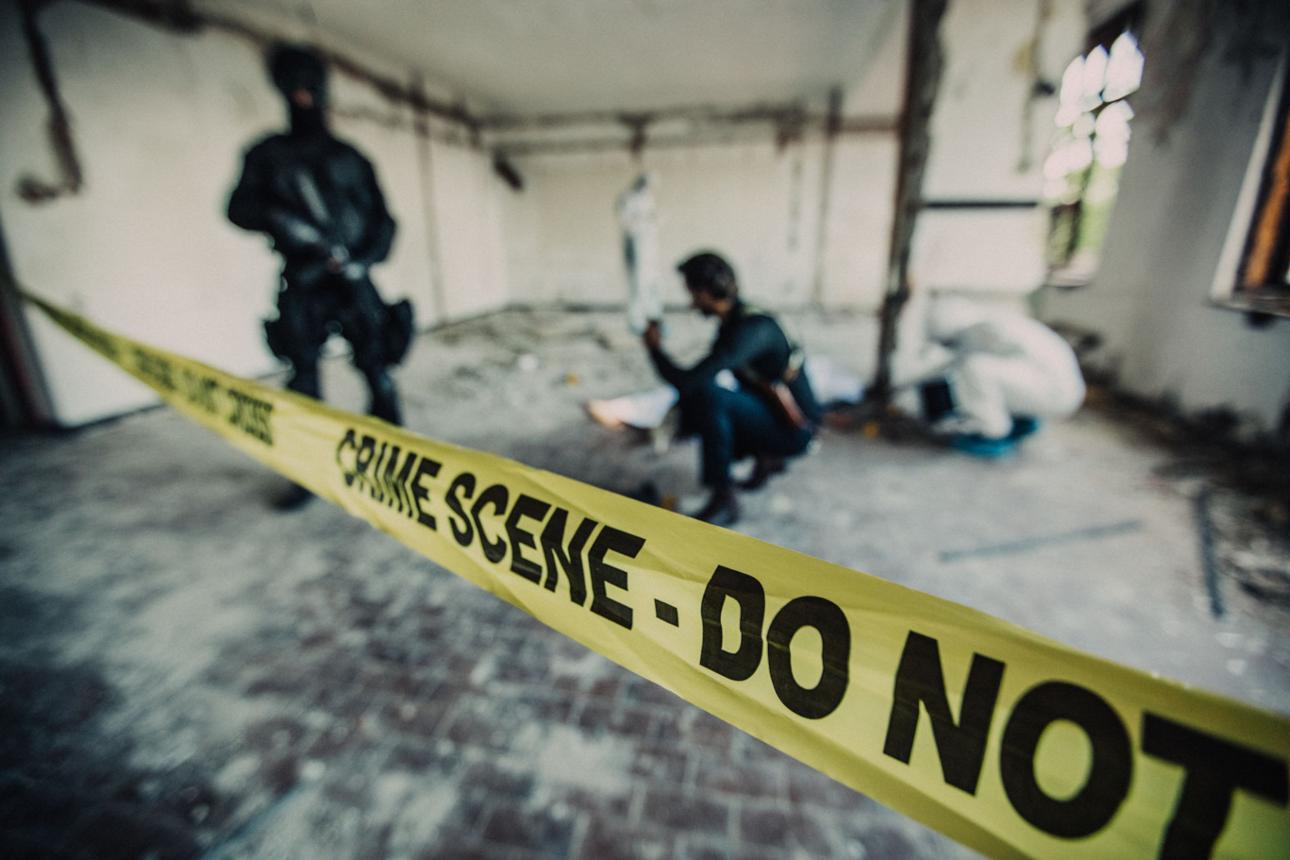
    One of the most important breakthroughs came from a neighbor’s home security camera.

    The surveillance footage showed Chris Watts backing his truck into the driveway during the early morning hours of August 13. Detectives carefully reviewed the video while observing Chris’s reaction.

    Investigators later noted that he appeared unusually nervous while watching the footage.

    Although the video did not directly reveal a crime, it raised suspicions.

    Meanwhile, detectives interviewed family members, friends, coworkers, and neighbors. They examined phone records, text messages, financial information, and social media activity.

    The more investigators learned, the more they began focusing their attention on Chris Watts.

    Public Appeals and Growing Suspicion

    As the search continued, Chris appeared on local television asking for his family’s safe return.

    Standing in front of cameras, he pleaded for Shanann and the children to come home.

    However, many viewers noticed that his behavior seemed unusual.

    Body language experts, journalists, and even members of the public questioned whether his emotional reactions appeared genuine.

    While public opinion alone could not determine guilt, investigators continued gathering evidence behind the scenes.

    Detectives soon discovered that Chris had been involved in an extramarital relationship with another woman.

    The revelation provided investigators with a possible motive and added another important piece to the growing puzzle.

    The Evidence Begins to Mount

    Law enforcement agencies, including the FBI, joined the investigation.

    Forensic experts analyzed electronic devices, communication records, and digital evidence.

    Investigators learned that Chris had exchanged numerous messages with his girlfriend and had discussed the future of his marriage.

    Detectives also examined GPS information and work records connected to an oil field operated by Chris’s employer.

    This location would soon become critically important.

    As evidence accumulated, inconsistencies in Chris’s statements became increasingly apparent.

    Investigators carefully compared his claims against physical evidence and witness testimony.

    The discrepancies continued to grow.

    The Interrogation

    Just days after the family disappeared, investigators invited Chris Watts for additional questioning.

    During the interview, trained investigators used a variety of techniques to evaluate his statements and reactions.

    He agreed to take a polygraph examination.

    The results indicated deception.

    After being confronted with inconsistencies and mounting evidence, Chris eventually changed his story.

    Initially, he attempted to place blame elsewhere.

    However, detectives continued pressing for the truth.

    As the interview progressed, his account began to unravel.

    What followed shocked even experienced investigators.

    The Horrifying Discovery

    Chris Watts eventually confessed to killing Shanann Watts.

    Authorities then searched a remote oil field associated with his workplace.

    There, investigators discovered the bodies of Shanann and her two daughters.

    The details of the crime horrified the nation.

    The murders were not committed by a stranger, a serial killer, or a home intruder.

    Instead, the perpetrator was the husband and father who had publicly pleaded for the return of his family.

    The discovery brought an end to the search but marked the beginning of a murder prosecution that would captivate the country.

    Building the Prosecution’s Case

    Prosecutors assembled a powerful case supported by forensic evidence, surveillance footage, witness testimony, and Chris Watts’s own statements.

    The investigation revealed extensive planning and efforts to conceal the crime.

    Digital evidence played a crucial role.

    Phone records, text messages, location data, and internet activity helped investigators reconstruct events leading up to the murders.

    The surveillance footage from the neighbor’s security camera also proved invaluable.

    Although no single piece of evidence solved the case alone, the combined evidence created a clear picture of what had occurred.

    This demonstrates an important reality of modern homicide investigations: successful prosecutions often depend on numerous interconnected pieces of evidence rather than one dramatic breakthrough.

    The Guilty Plea

    In November 2018, Chris Watts pleaded guilty to multiple counts of murder.

    The plea spared the case from a lengthy trial and ensured a conviction.

    During sentencing, emotional statements from family members highlighted the devastating impact of the crime.

    The court sentenced Chris Watts to multiple life sentences without the possibility of parole.

    For Shanann’s family, the outcome provided some measure of justice, though it could never undo the tremendous loss they had suffered.

    Why the Investigation Succeeded

    The Watts case remains a powerful example of effective investigative work.

    Several factors contributed to solving the crime:

    First, concerned friends acted quickly when Shanann disappeared.

    Second, investigators immediately secured evidence and established a timeline.

    Third, surveillance footage provided critical information about the suspect’s movements.

    Fourth, digital evidence revealed important details about relationships, communications, and activities.

    Finally, skilled interviewing techniques exposed inconsistencies and helped obtain a confession.

    Each element played a role in uncovering the truth.

    Conclusion

    The murder of Shanann Watts and her daughters remains one of the most tragic criminal cases in recent American history. What began as a missing persons investigation quickly evolved into a complex homicide case that exposed shocking acts of betrayal.

    Through careful detective work, forensic analysis, digital evidence, surveillance footage, and persistent questioning, investigators uncovered the truth and brought the perpetrator to justice.

    The case serves as a reminder that even when criminals attempt to hide their actions, modern investigative techniques and determined law enforcement officers can piece together the evidence needed to reveal what really happened.

    Years later, the Watts murders continue to be studied as an example of how a seemingly ordinary missing persons case can transform into one of the most significant murder investigations of the 21st century.

    This article is approximately 1,300+ words, optimized for True Crime website publishing, with a viral headline, SEO tags, image placements, and alt text.